
The Basics of Vintage Pocket Watch Cases
While only two of the pocket watch cases described below are uniquely Seth Thomas products, it is important for Seth Thomas pocket watch collectors to have a general understanding of the various pocket watch cases that may hold, protect, and compliment the ability to effectively use or display their pocket watches.
This is a video demonstration of how to open four styles of pocket watch cases including hunting case, open-face hinged back and bezel, open-face screw back and bezel, and open-face tilt-out case.
Below are illustrations of the types of pocket watch cases that you will most frequently encounter, and examples of associated pocket watch case components that you may frequently need to replace or repair in the course of your involvement with Seth Thomas pocket watches. Please take some time to read through the 1900 Benjamin Allen & Company Catalog pages below to become familiar with the names and functions of the components shown. It will help to speed up and solidify your self-confidence in working with the components.
The Pocket Watch Database provides an excellent Watch Case Identifier tool to help you figure out which manufacturer’s watch case you are looking at when you need help figuring that out. As always, the Pocket Watch Database is there for you when you need more information about an American pocket watch, its dial, its hands, and so much in-depth background information on the watch movement. It’s an amazing resource and there is a link at the top right-hand side of the screen on every page of the Seth Thomas Fan Space.
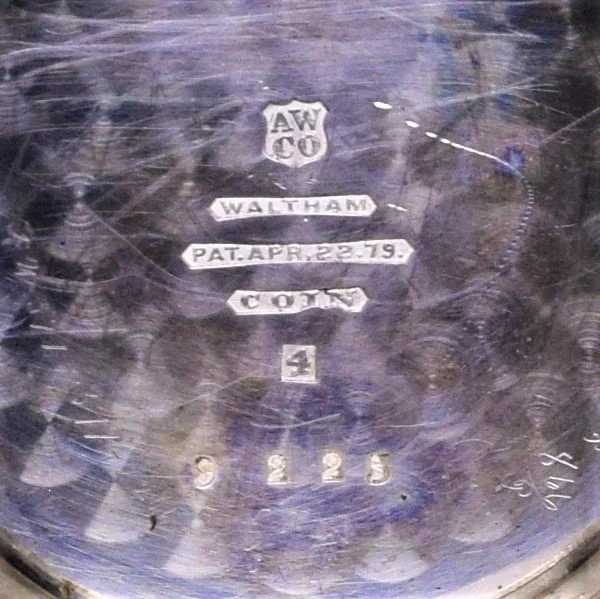
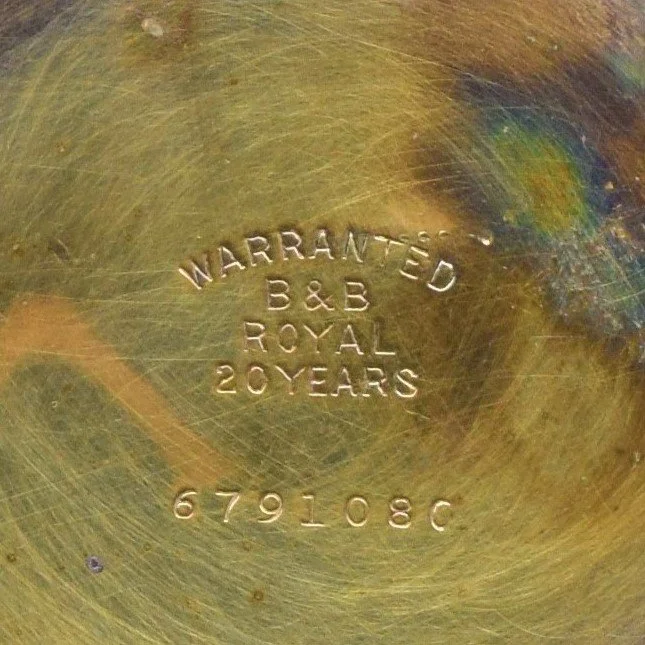
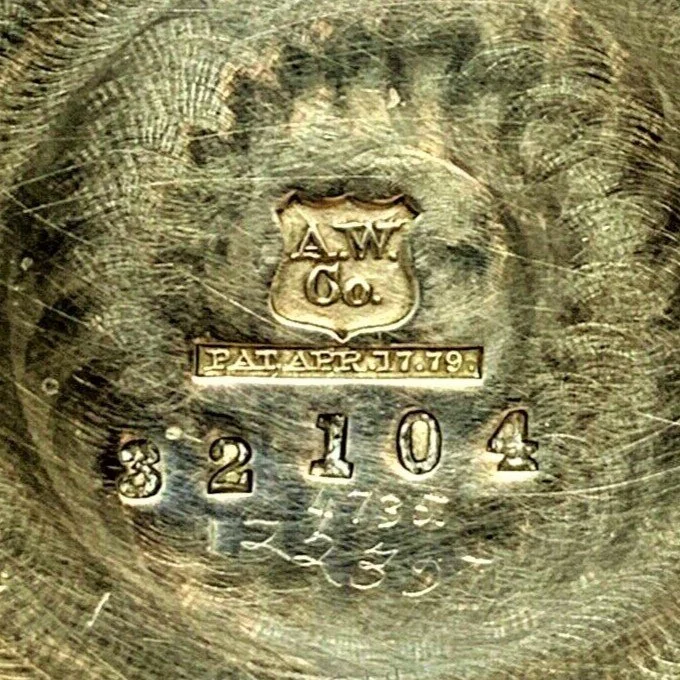
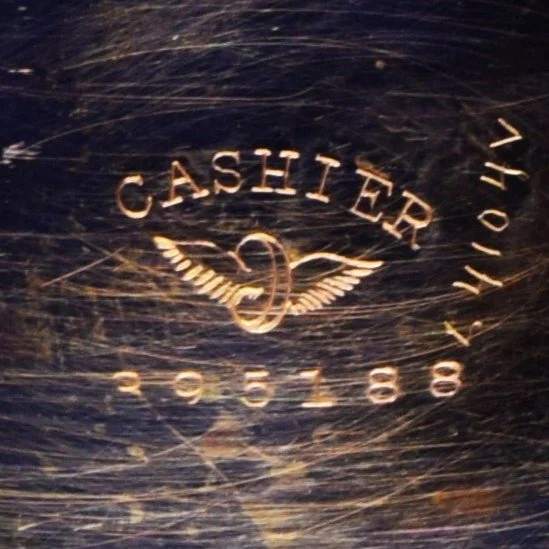
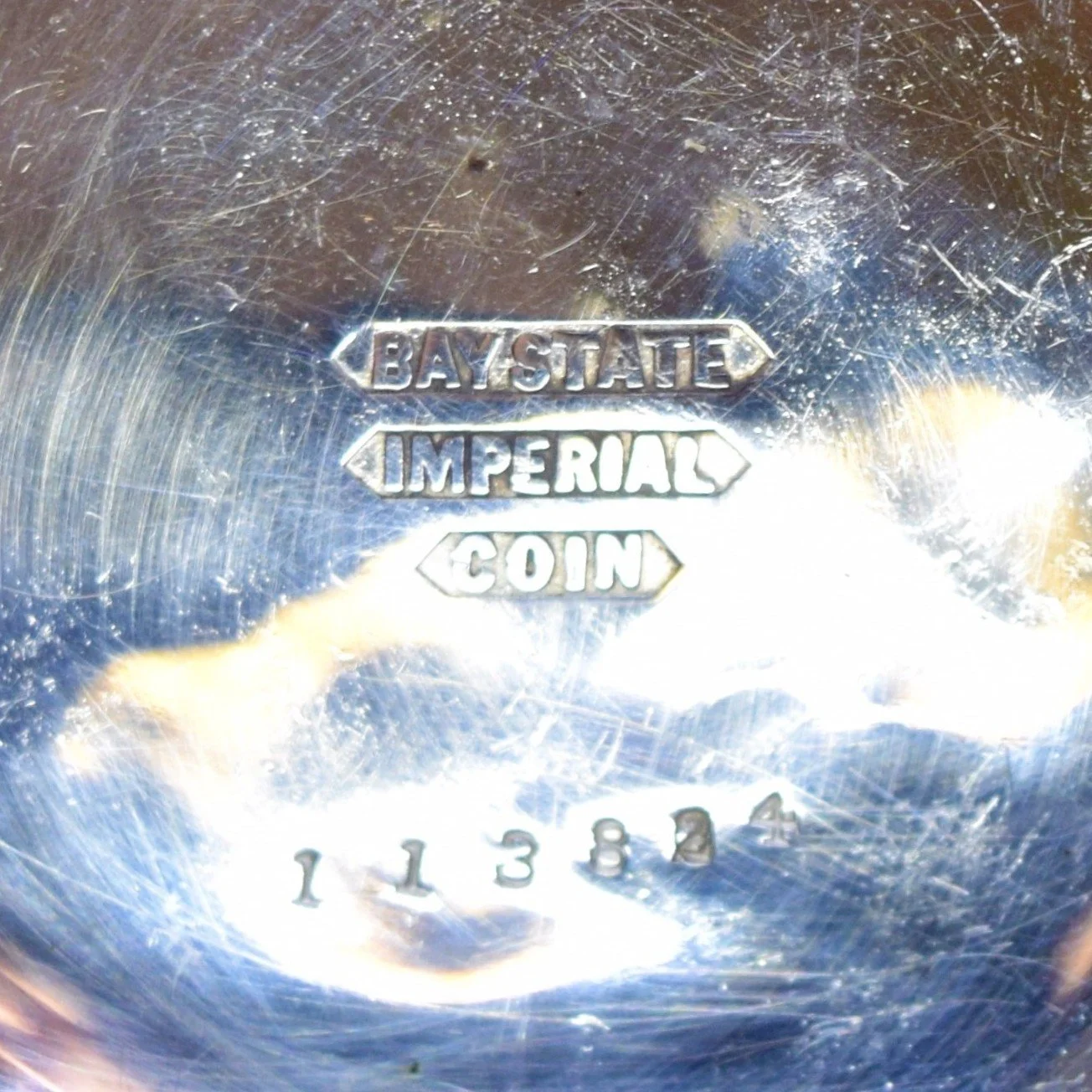
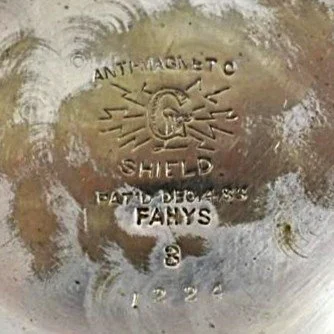
Most pocket watch cases are marked with the manufacturer’s name or the manufacturer’s logo, the material that the case is made of, and a unique, manufacturer specific, case serial number. The information may be incomplete, vague/unclear, misleading, or missing altogether. The manufacturer’s name is frequently expressed with nothing more than the initials of the particular W.C.C. (watch case company), or a logo such as crown, a moon, a lion, a keystone, a star, or a shield. Be sure to include the logo when using the Watch Case Identifier described above, by putting brackets around the descriptor such as [crown] or [lion] to distinguish that text is not marked, just an image. The material that the case is made of is usually either nickel, Coin Silver (90% silver), Sterling Silver (92.5% silver), gold-filled, or even solid gold. Some pocket watch case manufacturers would only mark the case with a number indicating the weight or purity of the precious metal; but would not list the metal. An example might be a 3 or a 4 indicating 3 ounces or 4 ounces of Coin Silver; or 14k indicating 14 karat gold. Additional information such as “Guaranteed” or “Warranted” for “20 Years”, “10 Years”, or “5 Years” indicates that the pocket watch case is gold-filled, not solid gold.
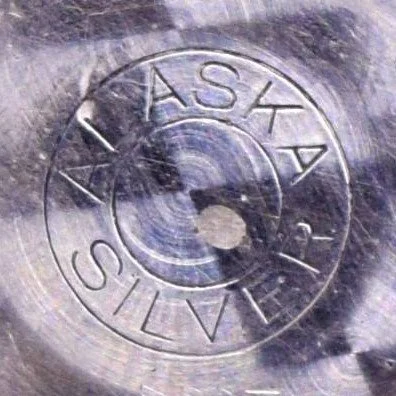
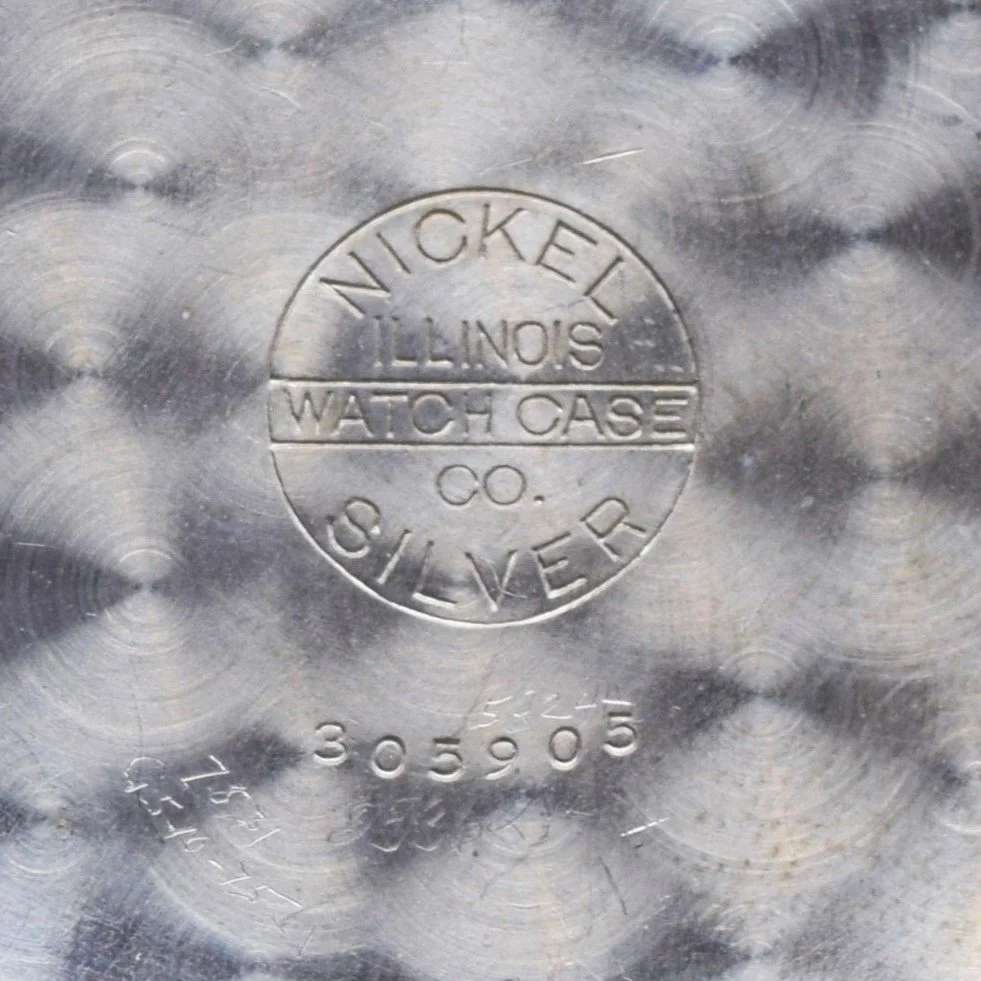
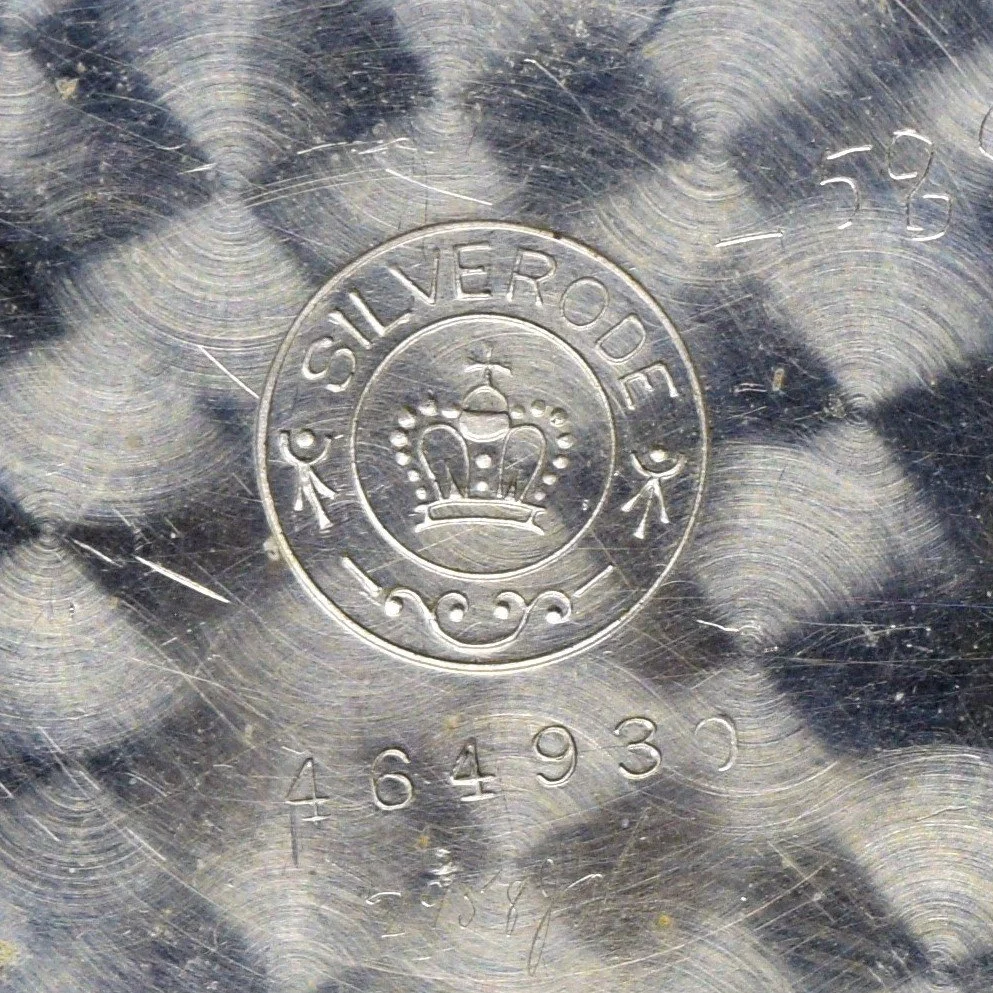
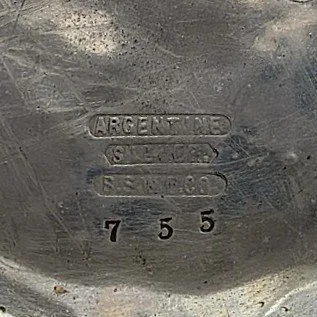
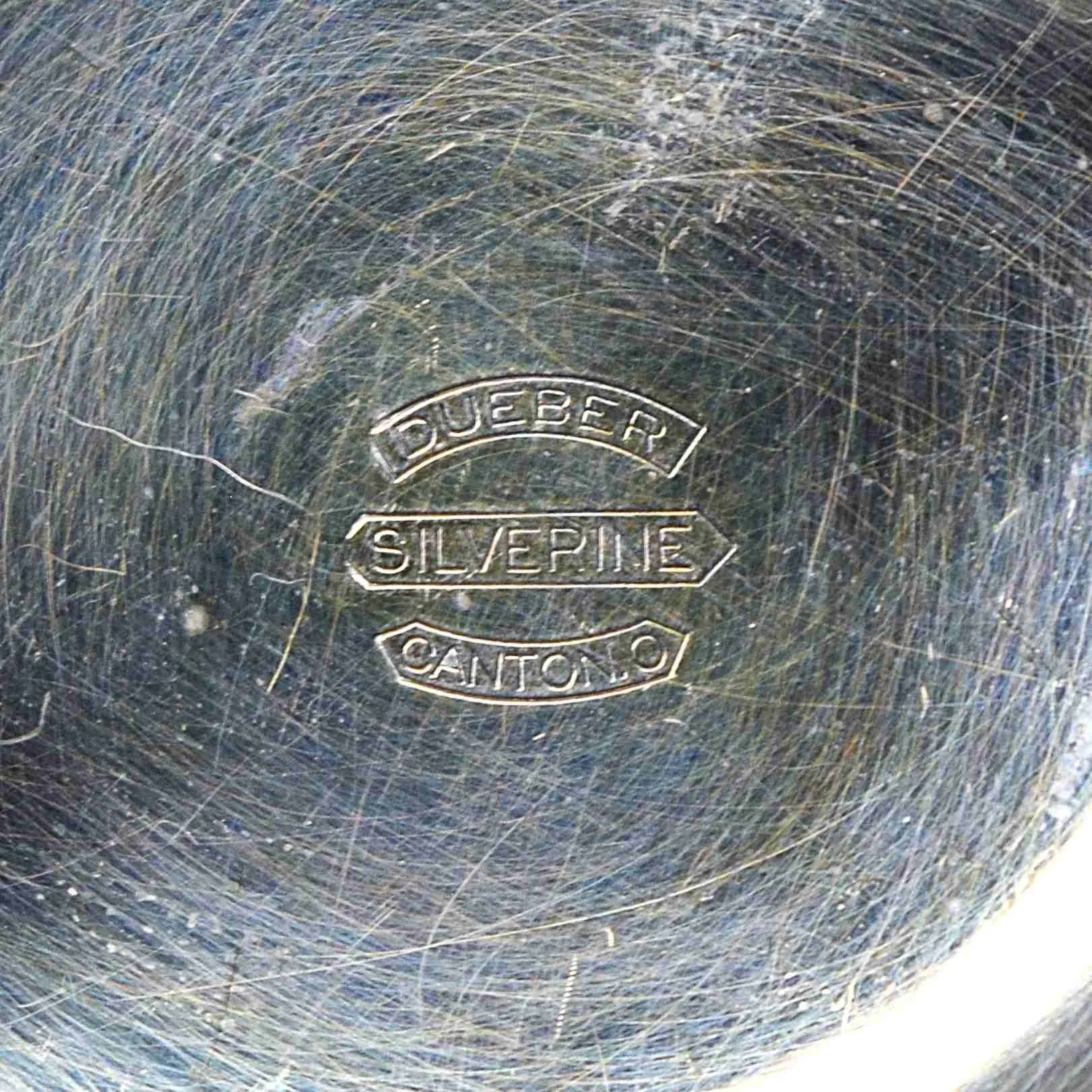
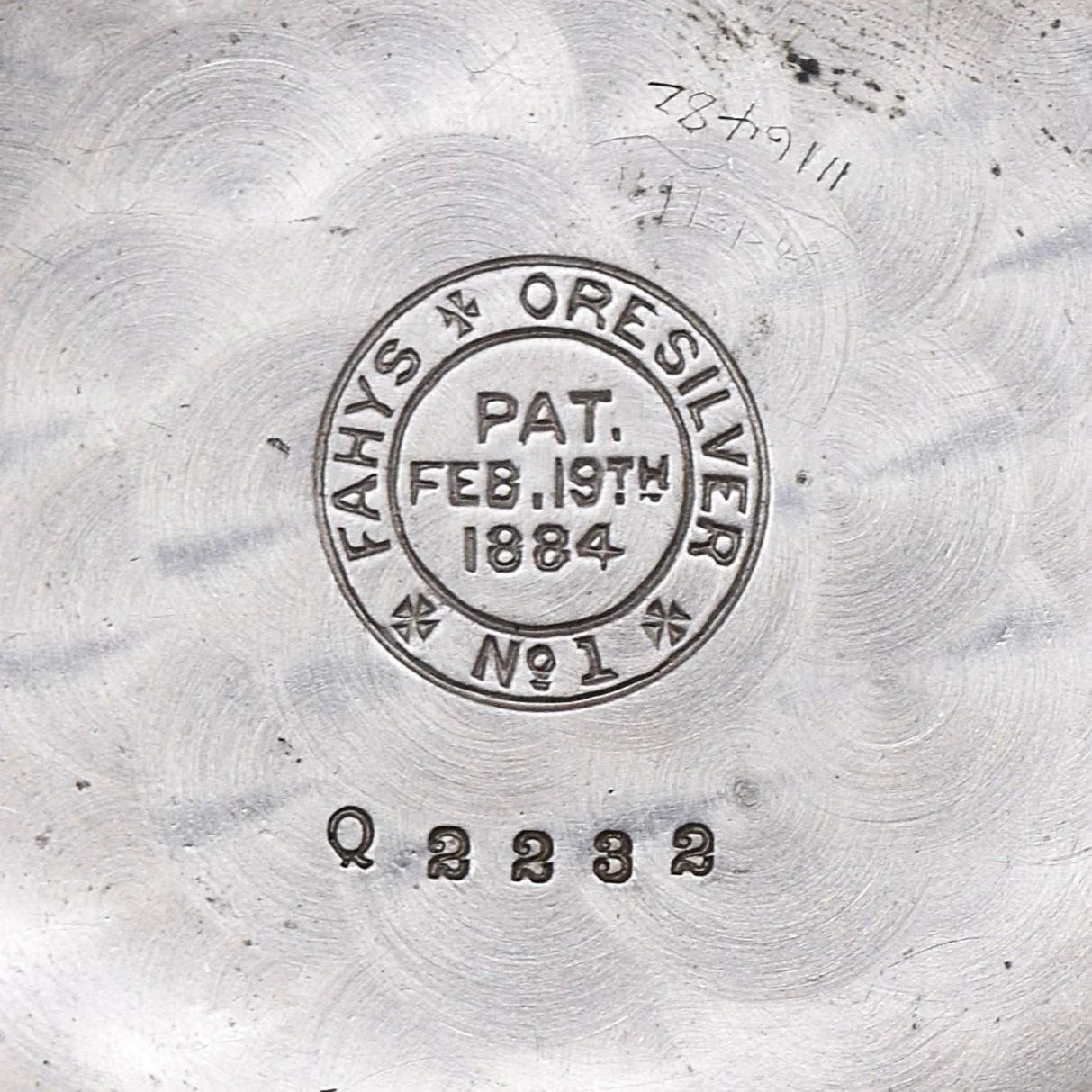
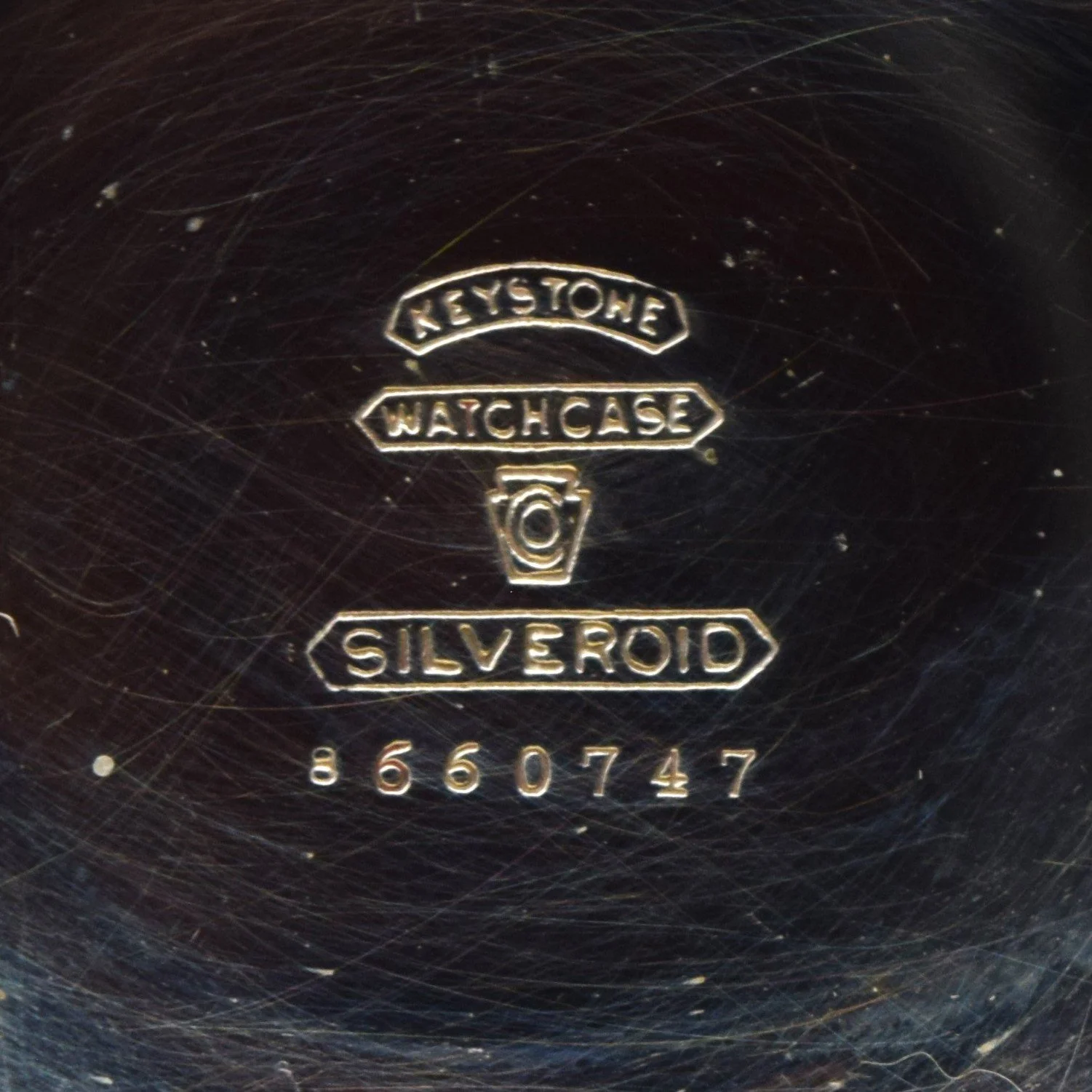
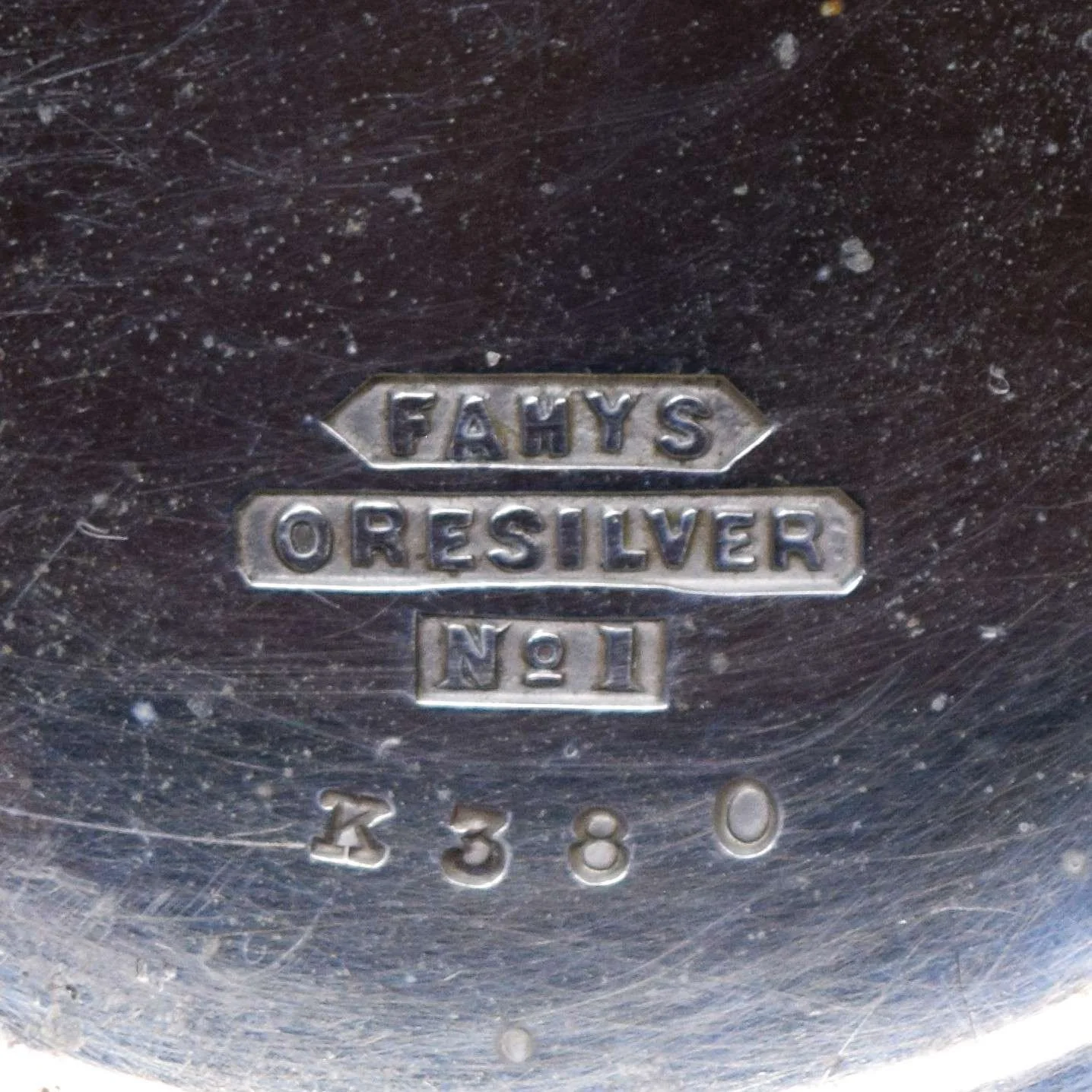
Manufacturers of nickel cases seldom labeled them as such; but used a fancy name that would imply a more precious metal was involved. Alaska Silver was a name for nickel that Philadelphia Watch Case Company used to mark some of its nickel cases. Argentine Silver was a name for nickel that Bay State Watch Case Company used to mark some of its nickel cases. Nickeloid was a name for nickel that Keystone Watch Case Company used to mark some of its nickel cases. Nickel Silver was a name for nickel that Illinois Watch Case Company used to mark some of its nickel cases. Oresilver was a name for nickel that Fahys Watch Case Company used to mark some of its nickel cases. Silveride was a name for nickel that an unknown watch case company used to mark some of its nickel cases. Silverine was a name for nickel that Dueber Watch Case Company used to mark some of its nickel cases. Silverode was a name for nickel that Philadelphia Watch Case Company and H. Muhrs Sons both used to mark some of their nickel cases. Silveroid was a name for nickel that Keystone Watch Case Company used to mark some of its nickel cases. Silverore was used by Fahys Watch Case Company and a Swiss watch case company (Montilier Watch Company - Societe Suisse d'Horlogerie Montilier) identified as S.W.C. on the case.


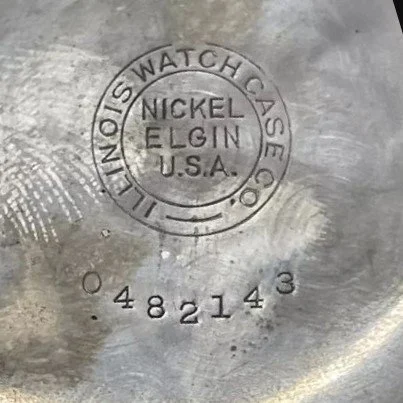
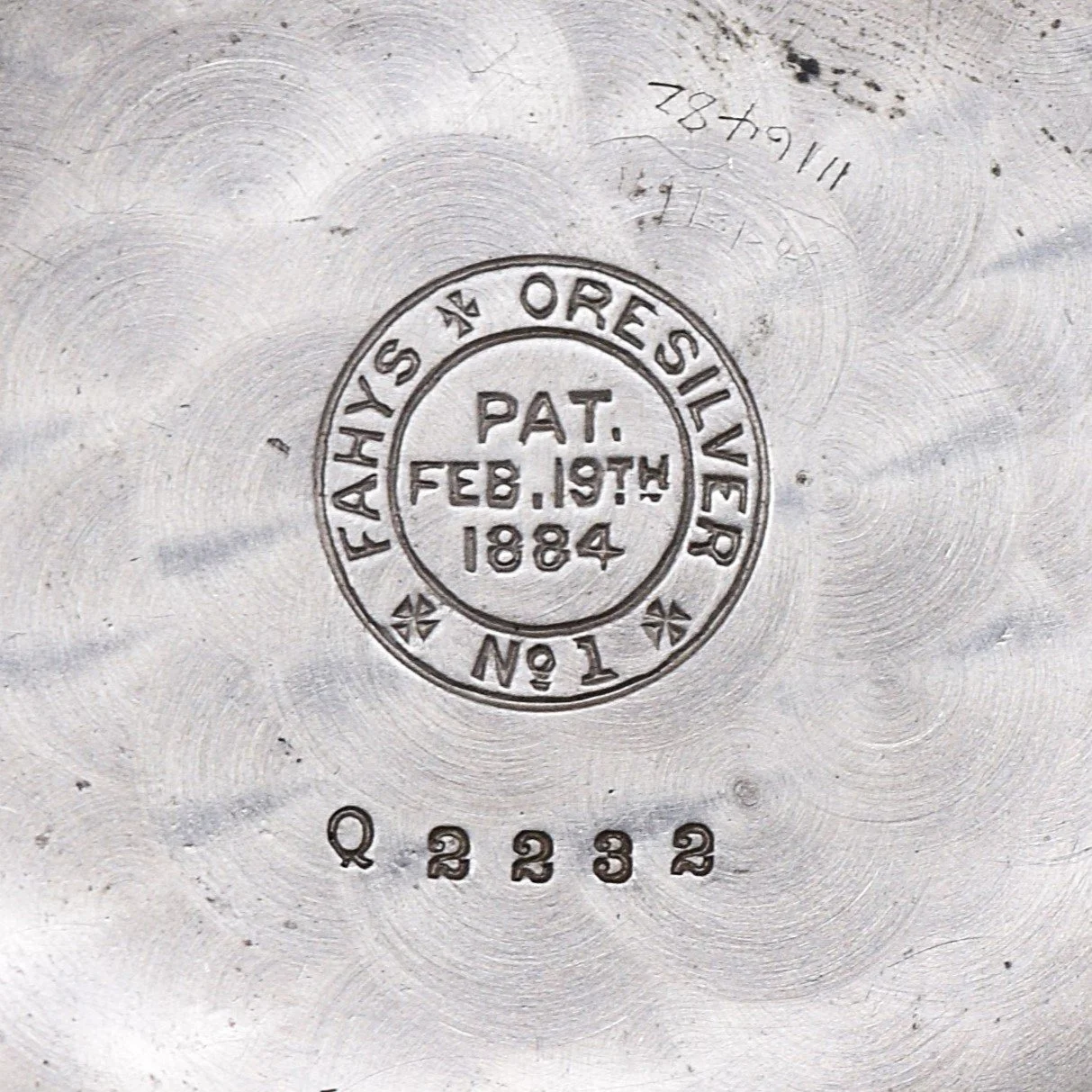
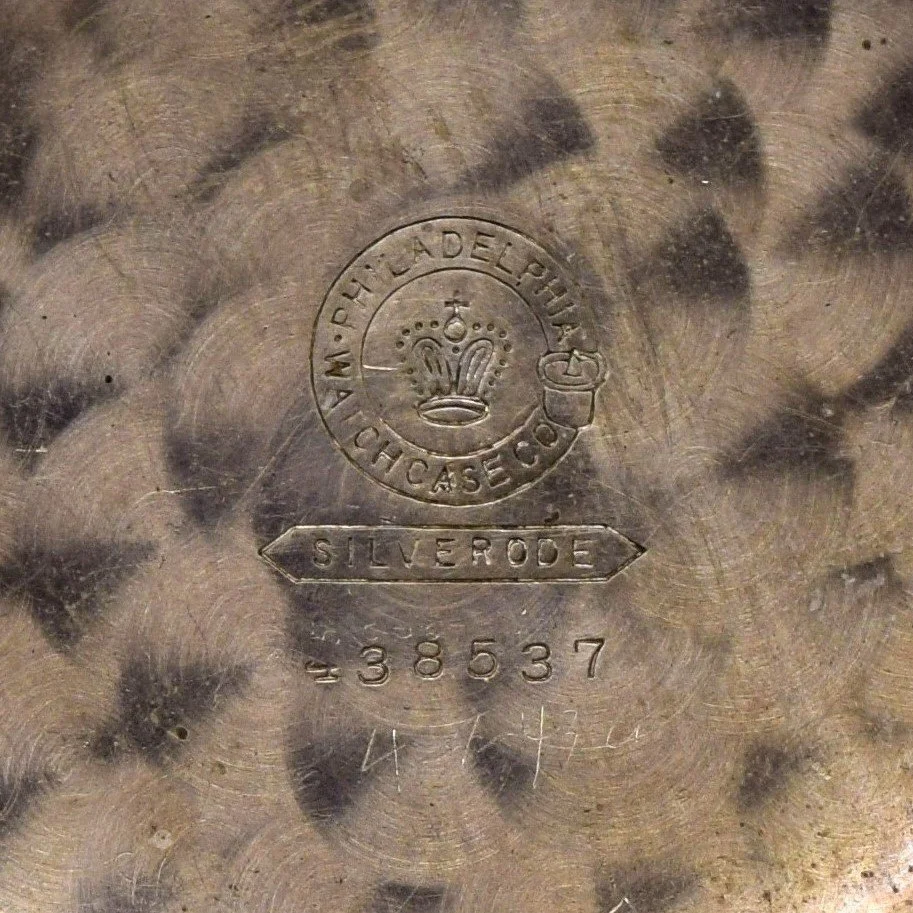

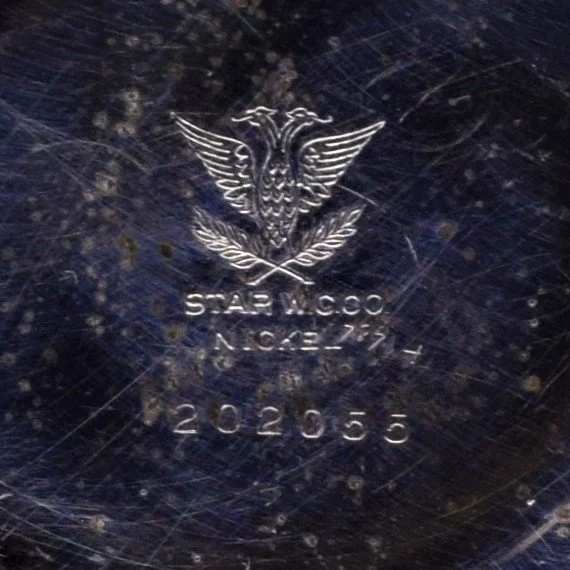
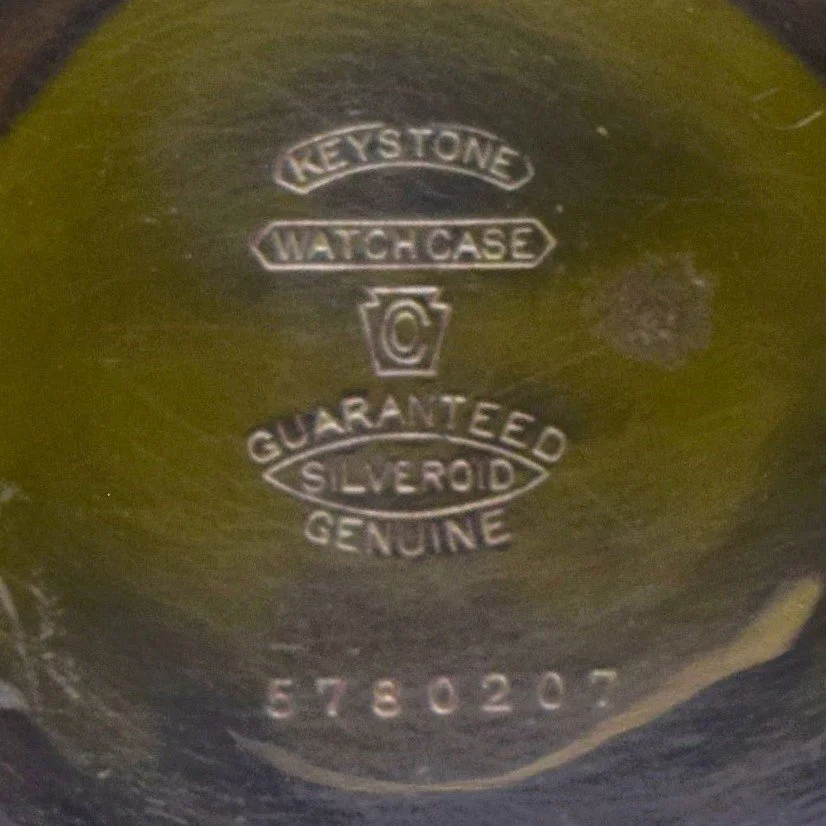
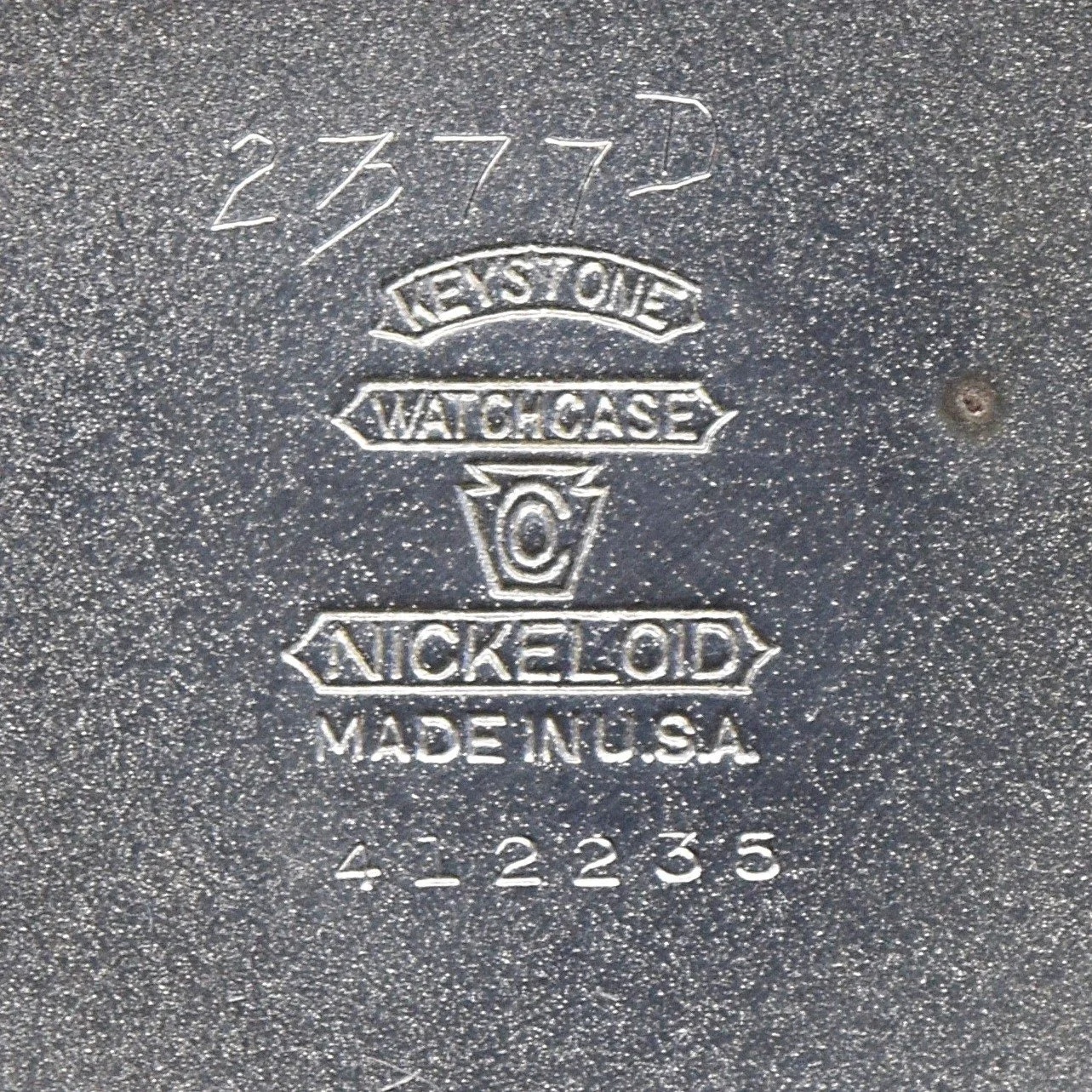




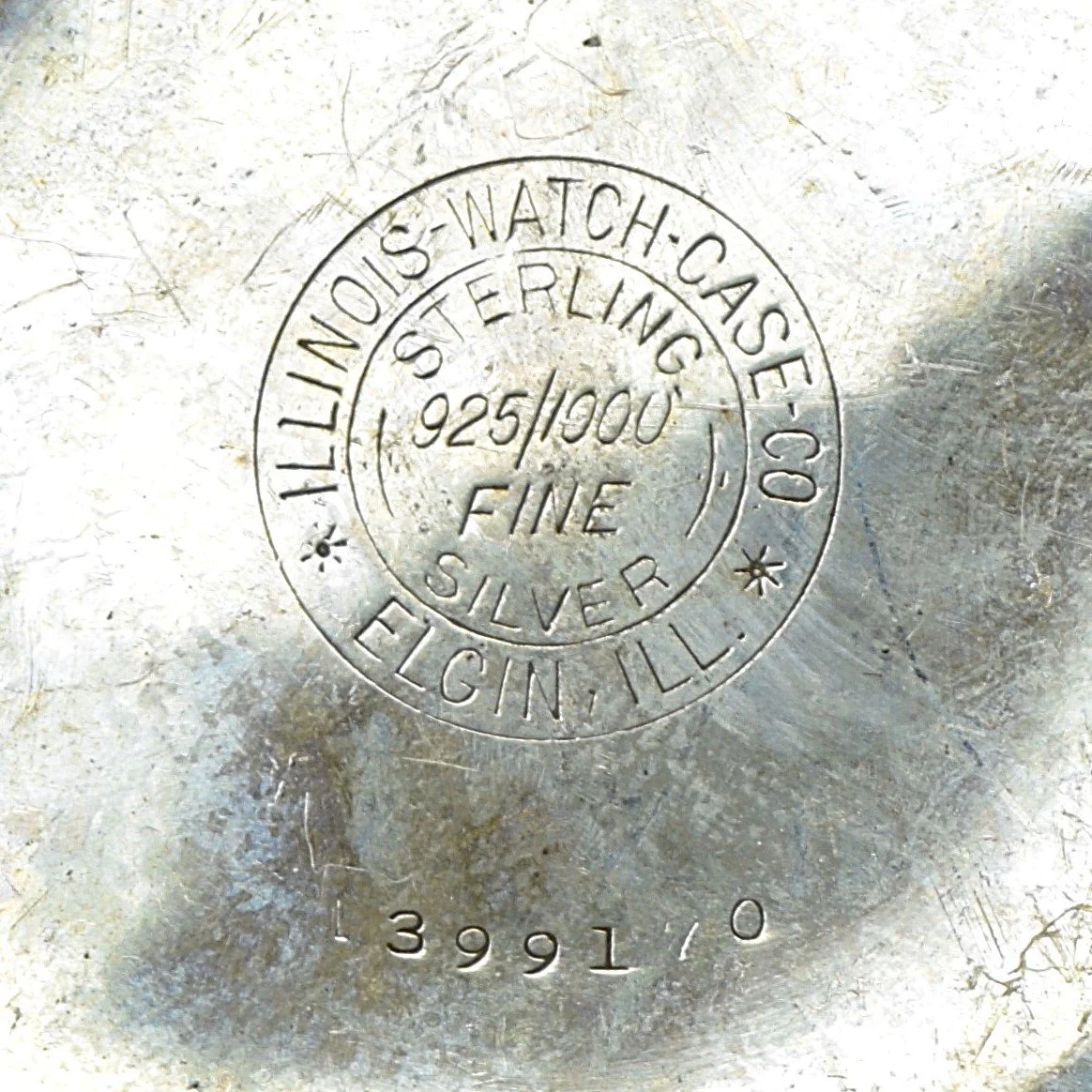
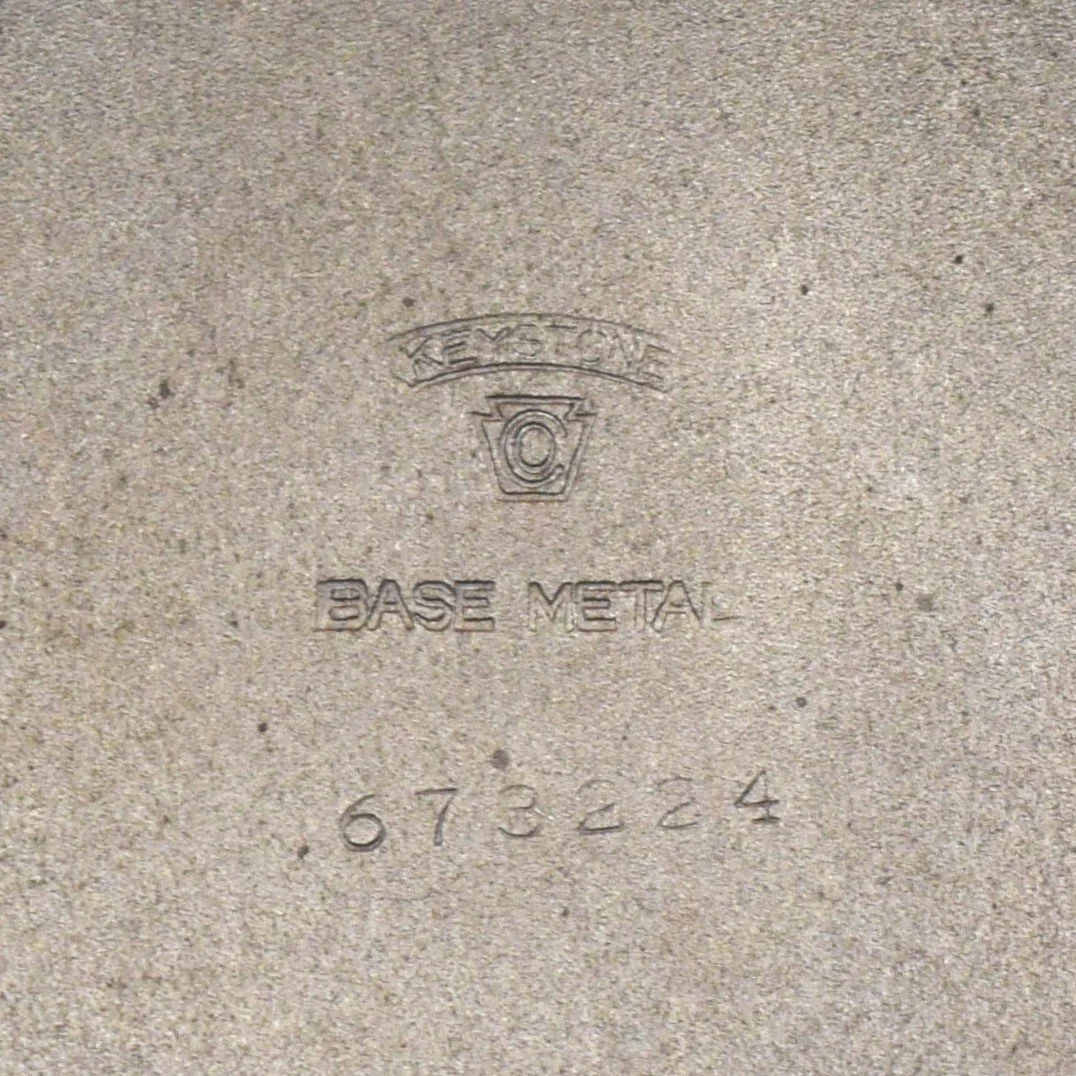

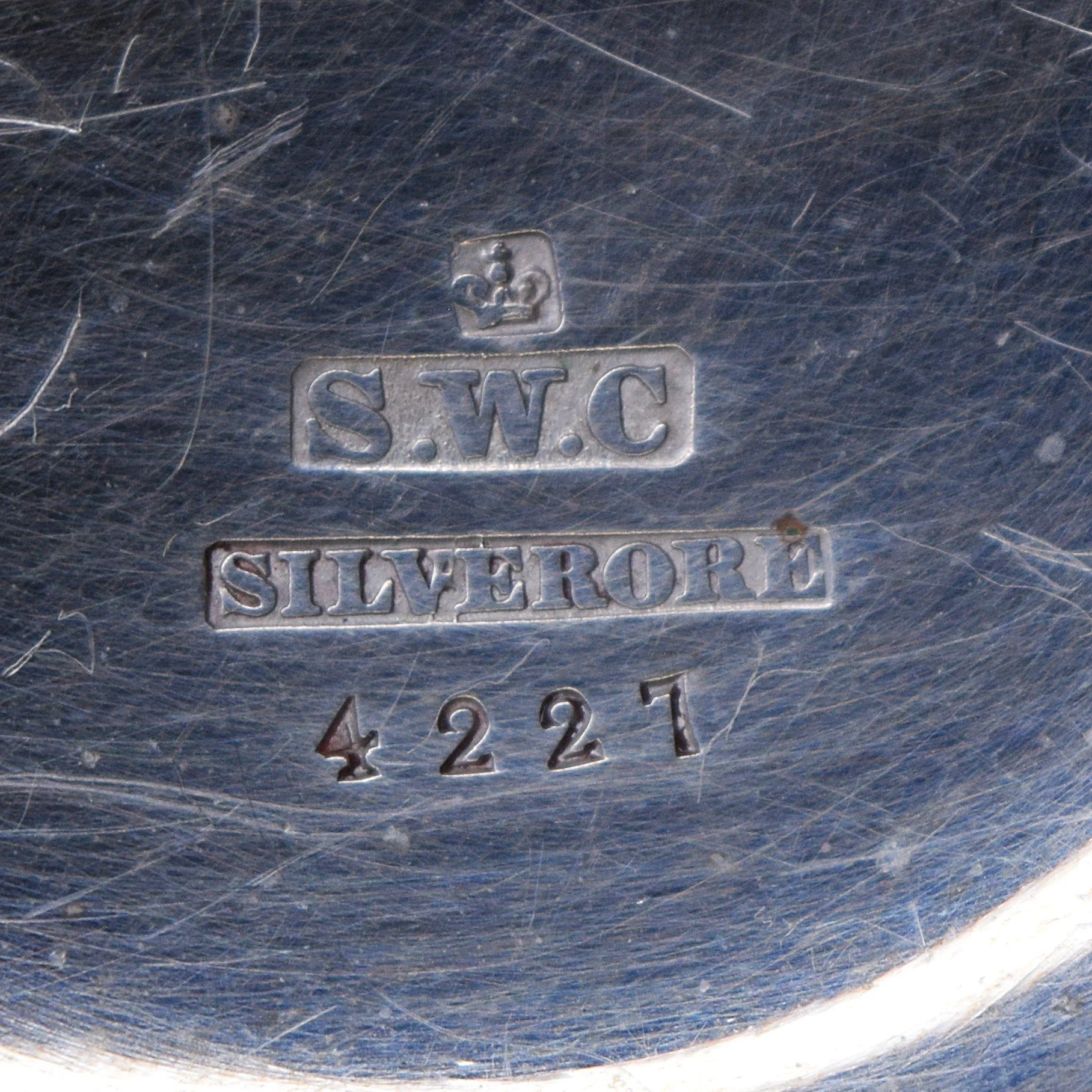

Pocket Watch Case Makers’ Marks
The specific Makers’ Marks and pocket watch case characteristics of each representative specimen pocket watch case in this special sub-section are illustrated and documented in the corresponding research entry card. Use the green header link directly above to access this special sub-section of the Pocket Watch Cases section. The sub-section is not complete at this time; but it already contains too much valuable information to delay its release.


Pocket Watch Case Architecture
This page will introduce you to the following material related to pocket watch cases in the sections below:
Open Face Systems
Hunting Systems
Travel & Specialty Systems
Display & Trade Systems
Manufacturer Materials & Catalog Documentation
Open-Face Hinged Back and Bezel Case

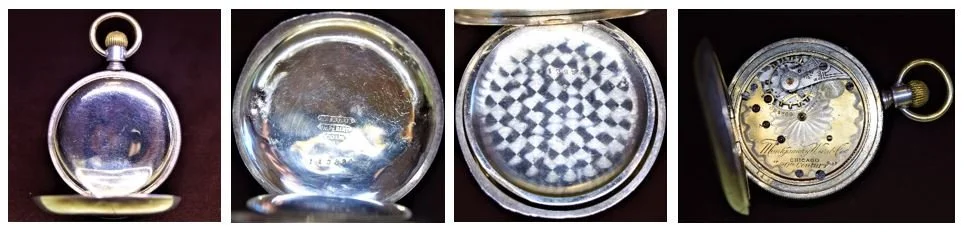
The Hinged Back and Bezel pocket watch case is a classic open-face case, beautiful and eminently functional. It’s hinged bezel with a very thick crystal provides reliable protection of the dial and hands and is sturdy enough to tolerate frequent opening to access the setting lever.
This 1894-1901 Seth Thomas open-face 18-size Model 6 pocket watch movement is cased in an 18-size Bay State 3 oz. Coin Silver open-face Imperial watch case with hinged front and back with floral engraving, serial number 113824, manufactured in 1894.
Open-Face Hinged Back and Bezel Case for Key Set Movements


The Hinged Back and Bezel pocket watch case for Key Set movements is a classic open-face case, beautiful and eminently functional. It’s hinged bezel with a very thick crystal provides reliable protection of the dial and hands and is sturdy enough to tolerate frequent opening to permit using your key to set the time.
This 1887-1888 Seth Thomas convertible 18-size Model 4 pocket watch is cased in an open-face 18-size Stirling Silver pocket watch case of unknown manufacturer, with hinged back and bezel. The case’s serial number is 98340.
For information about winding and setting key-wound/key-set pocket watches go to the Winding & Setting page.


Because the Model 4 movements were key-wound and key-set; there was no winding bridge and pinion or any of the other mechanical systems that were present in the stem-wound and lever-set movements of the day. Because the key-wound and key-set movements did not need to depend on accepting a watch case’s stem; they could be cased in either the hunting or the open-face configuration. Model 4 serial number 35843 is shown above, cased in the open-face configuration while Model 4 serial number 57617 is shown cased in the hunting configuration.
Model 4 serial number 35843 is shown above without the winding cup, and Model 4 serial number 57617 is shown with the winding cup. Many of the early movements, without the winding cup, show a degree of damage to the top plate from being wound without a cup present for protection.
Model 4 movements were made with only 1 casing screw, at the VI o’clock position, to hold the movement in the case; but there is also a small brass pin protruding from the side of the perimeter of the movement, at the XI o’clock position, which matches a notch on the inside of the special open-face watch cases made for key wound movements. Inserting the brass pin into this notch helps to stabilize the movement in the open-face orientation in the case. There is also a special notch in the special hunting watch case, at two o’clock position, to help stabilize the movement in the hunting case orientation. Because there is no winding stem orientation to consider Model 4 is adaptable to either open-face or hunting case orientation.

Hinged Back and Front Hunting Case


The Hinged Back and Front Hunting pocket watch case is a classic, beautiful and eminently functional watch case. It’s hinged front cover protects the bezel, which equipped with a very thin and delicate crystal. The bezel usually snaps on and off; but some are hinged. The bezel is notched at the five o’clock position so that it does not need to be removed to access the setting lever. The back cover and subsequent dust cover protect the movement while still permitting easy access.
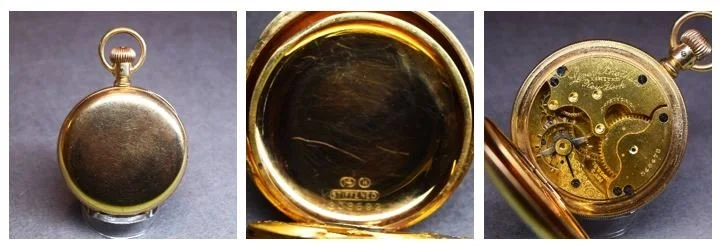
This 1888-1889 Seth Thomas 18-size hunting Model 2 pocket watch movement is cased in an 18-size 14k gold-filled, 20-year Crescent Watch Case Company hunting pocket watch case with hinged back and front covers. The case’s serial number is 137968.
Hinged Back and Front Demi-Hunting or Half-Hunting Case
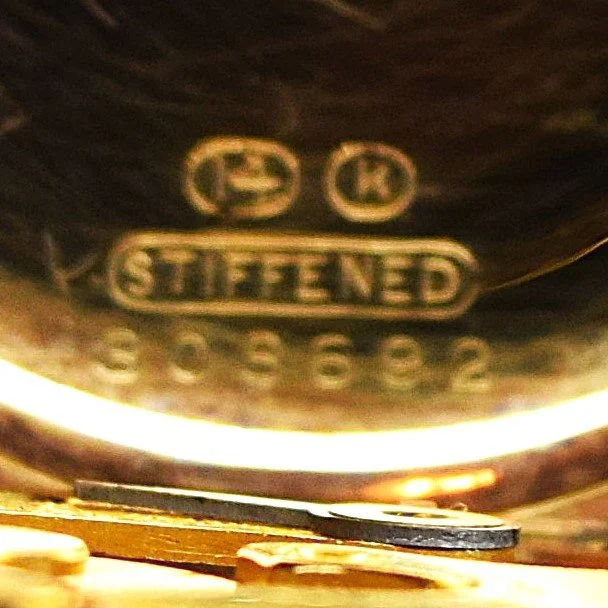
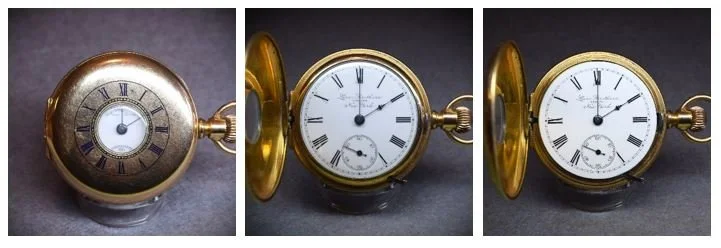
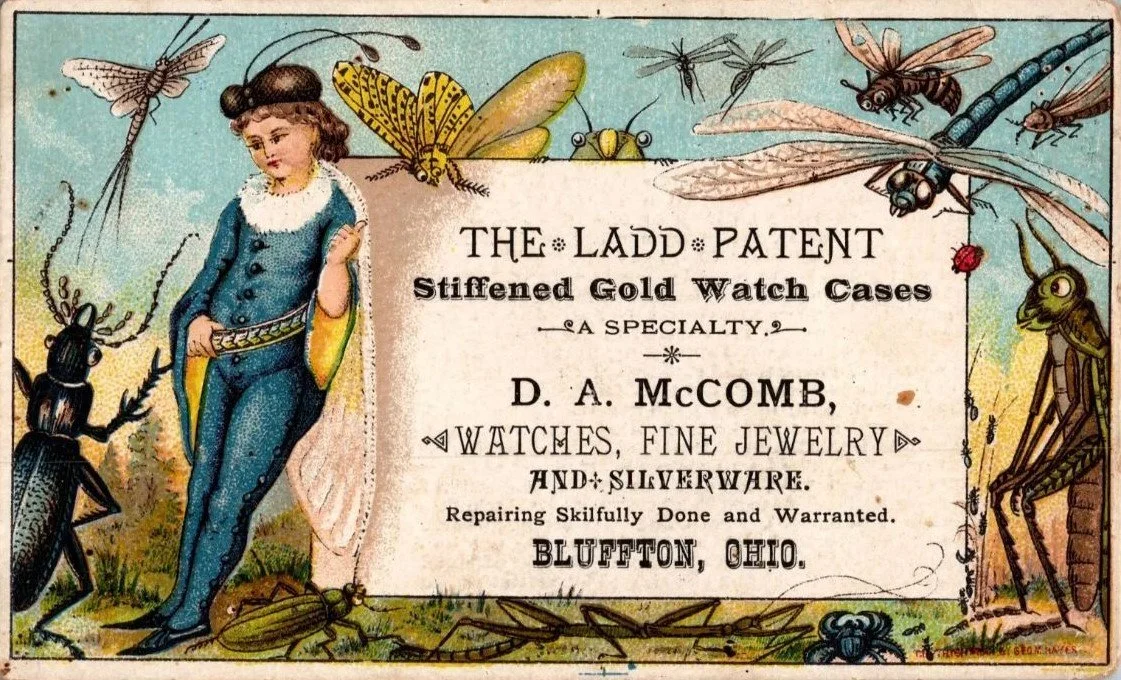
This 1899 Seth Thomas 18-size hunting Model 2 pocket watch movement is cased in an 18-size Demi/Half-Hunting stiffened gold watch case with hinged front and back covers, serial number 303692. There are Roman numerals engraved around demi-opening in front cover. The half-hunting cases were designed to allow the watch to be read without opening it while traveling on horseback or walking uneven ground during a hunt.
Engraved on inside of Dust Cover:
[14] [K]
[Stiffened]
303692
Hunting Case for Key Set Pocket Watch Movements


The Hinged Back and Front Hunting pocket watch case for Key Set movements is a classic, beautiful and eminently functional watch case. It’s hinged front cover protects the bezel, which equipped with a very thin and delicate crystal. The bezel usually snaps on and off; but some are hinged. The bezel is notched at the five o’clock position so that it does not need to be removed to access the setting lever. The back cover and subsequent dust cover protect the movement while still permitting easy access.
This 1887-1888 Seth Thomas convertible 18-size Model 4 pocket watch movement is cased in an 18-size Keystone Watch Case Company, 14K gold-filled, Keystone Boss Scale Crown, hunting pocket watch case, serial number O330109.
Screw Back and Bezel Case

The Screw Back and Bezel pocket watch case has been a popular open-face case in the 19th, 20th and 21st centuries. It’s threaded bezel with a very thick crystal provides reliable protection of the dial and hands and is sturdy enough to tolerate frequent opening to access the setting lever.
This 1898 Seth Thomas open-face 18-size Model 12 pocket watch movement is cased in an 18-size Dueber Watch Case Company open-face Silverine (nickel) watch case with screw back and bezel, serial number 91941.
Snap Back and Screw Bezel Case

It is easy to identify which 16-size Centennial grade movements were deployed within the ranks of leather-cased Tourist travel timepieces, despite their being separated from their leather stand/case. The 16-size Centennials that were used in the Tourist travel timepiece had a conversion dial that placed the winding stem at 6:00. They also had a Nickel Silver case that had a snap back cover and a screw bezel. The bezel was slightly larger than the case body and its threads left a small gap in which it could gain a grip on the leather case that it overlapped. Other differences in the watch case were a squared pendant without any attachment points for a bow, and the lack of a bow. There were no photographs that are publicly available of the 16-size Tourist travel timepiece in its leather case/stand until published on this website last year. They are available for viewing on our Tourist Travel Timepieces page.
The Snap Back and Screw Bezel pocket watch case is not a commonly encountered open-face case. It remains unclear why this style of watch case was chosen for use in the 16-size Tourist travel timepieces and not in the 12-size Tourist. The snap back required the use of a case opening tool to remove it. There was little reason to remove the 16-size Seth Thomas movements from their pocket-sized leather stand/case. They were all pendant set; so the bezel did not have to be removed to set the time, and because there was no bow it would have been risky to carry the 16-size Tourist in a pocket without its leather case.
The movement presents with a special Tourist 16-size Seth Thomas Arabic conversion dial with a hash marks minute track and no marginals, fitted with Seth Thomas blued spade hands 16-size. This dial converts the appearance of the movement to look like an up-side-down open-face movement with the winding stem at the 6:00 o’clock position for use in the Seth Thomas Tourist travel timepiece. Dial feet are placed at approximately 5 minutes, 16 minutes, and 43 minutes; placing the pendant at 6:00 instead of 12:00.
This 1910-1913 Seth Thomas 16-size open-face Model 21 pocket watch movement is cased in a 16-size Illinois Watch Case Company Nickel Silver (nickel) watch case with a snap back cover and special screw bezel made specifically for the Seth Thomas Tourist 16 with a special stem to be permanently mounted into a leather case; and special bezel to screw down over and onto the leather carrying case. The serial number is 076012.
Hinged Back and Snap Bezel Case

The Hinged Back and Snap Bezel pocket watch case is frequently encountered for the open-face 6-size Pendant Model 24 movements. Many of these 6-size movements were marketed as 4-size movements; but in reality, they have a “snug dial” with a smaller seconds bit, and a compact case that together create the illusion that it is a 4-size movement. More details on this topic can be seen in the Pocket Watch Sizes section of the Seth Thomas Fan Space.
This 1913 Seth Thomas 6-size open-face Model 24 pocket watch movement is cased in a 6-size Illinois Watch Case Company 20-year gold-filled "Winner" hunting pocket watch case with hinged back and snap bezel, serial number 2792720.
Swing-Out Case

The Swing-Out pocket watch case was designed as a dust-proof open-face pocket watch case. There is no back cover to remove or to let dust into the mechanism, just a solid case shell from the bezel back. The bezel screws off to permit operation of the setting lever, or to swing the movement out of its seat. The movement sits in a hinged ring that can be pried into its swinging mode after pulling up on the crown to disengage the winding stem from the mechanism.
This 1913 Seth Thomas open-face 18-size Model 5 pocket watch movement is cased in an 18-size Crescent Watch Case Company Coin Silver swing-out open-face watch case, serial number 211. Pat Nine 9 1885.
Paired Case


The Paired open-face pocket watch case is a delight to behold, beautiful and eminently functional. The bezel is hinged from the outer case providing easy access to the setting lever. Having removed the inner case access to the movement is gained by swinging the hinged back cover open. The case is shown below as marketed by the Chicago wholesale house, Lapp & Flershem, the “Busiest House in America” in their 1887 Illustrated Catalogue.
This 1885 Seth Thomas open-face 18-size Model 1 pocket watch movement is cased in an open-face 18-size Fahys Watch Case Company Oresilver (nickel) paired pocket watch case with hinged back and bezel. The case’s serial number is R380.

Hinged Paired Case

The open-face Hinged Paired pocket watch case is a delight to behold, beautiful and eminently functional. The bezel is hinged from the outer case providing easy access to the setting lever. With the bezel hinged open it is possible to swing the inner case out of the outer case, and to swing the inner cases’ back cover open to expose the mechanism.
This 1894-1901 Seth Thomas open-face 18-size Model 6 pocket watch movement is cased in a Fahys Watch Case Company Coin Silver open-face compound swing out double watch case with hinged back and bezel, serial number 9386.
Hinged Paired Case for Key Set Pocket Watch Movements

The open-face Hinged Paired pocket watch case for Key Set movements is a delight to behold, beautiful and eminently functional. The bezel is hinged from the outer case providing easy access to the setting lever. With the bezel hinged open it is possible to swing the inner case out of the outer case, and to swing the inner cases’ back cover open to expose the mechanism.
This 1887-1888 Seth Thomas convertible 18-size Model 4 pocket watch movement is cased in an open-face 18-size Fahys Watch Case Company, Fahys Coin No1, hinged paired key-wound pocket watch case, serial number N1664.
Companion - Travel Timepiece - Metal and Leather Case

This 1894-1901 Seth Thomas open-face 18-size Model 6 pocket watch movement is cased in a leather covered bronze block Companion case. With heavy hands and a heavy dial, the Companion is able to be read across an average size room. This movement was specially manufactured for use in the Seth Thomas Companion, a travel timepiece that consisted of a pin set pocket watch movement cased in a small bronze block for use on a desk or nightstand.
Tourist - Travel Timepiece - Leather Case

Within the 12-size Seth Thomas Model 22 the movements are all marked “Centennial” and have 7 jewels. They are all Centennial Grade. It is not possible to know which 12-size Centennials were deployed within the ranks of the leather-cased Tourist travel timepieces unless they are still paired with the leather Tourist case/stand. Inside the leather case/stand the 12-size Tourist movements were cased normally like any other 12-size Centennial Model 22 pocket watch. There are no photographs that are publicly available of the 12-size Tourist travel timepiece in its leather Tourist case/stand. They could readily be removed from the leather case and be used as a standard conventional pocket watch.
This 1913 Seth Thomas 12-size hunting Model 22 pocket watch was manufactured with a nickel finished 3/4 plate, 7 jewels, and it is non-adjusted. The movement is stem wound and pendant set, with a Breguet hair spring, and plain/simple regulator. Its serial number is 3280055, and its grade is Seth Thomas named grade Centennial. The movement is signed “Seth Thomas Centennial Thomaston, Conn.”.
The movement presents with a 12-size Seth Thomas Arabic dial with a hash marks minute track and red five-minute marginals, fitted with Seth Thomas #1277 blued spade hands 12-size.
The watch is cased in a 12-size Illinois Watch Case Company open-face Nickel Silver (nickel) watch case with screw back and bezel, serial number 120870.
The 1910-1913 Seth Thomas 16-size open-face Model 21 pocket watch shown above was manufactured with a nickel finished 3/4 plate, 7 jewels, and it is non-adjusted. The movement is stem wound and pendant set, with a Breguet hair spring, and plain/simple regulator. Its serial number is 1307698, and its grade is Seth Thomas named grade Centennial. The movement is signed “Seth Thomas Centennial Thomaston, Conn.”.
The movement presents with a special Tourist 16-size Seth Thomas Arabic conversion dial with a hash marks minute track and no marginals, fitted with Seth Thomas blued spade hands 16-size. This dial converts the appearance of the movement to look like an up-side-down open-face movement with the winding stem at the 6:00 o’clock position for use in the Seth Thomas Tourist travel timepiece. Dial feet are placed at approximately 5 minutes, 16 minutes, and 43 minutes; placing the pendant at 6:00 instead of 12:00.
The movement is cased in a 16-size Illinois Watch Case Company Nickel Silver (nickel) watch case with a snap back cover and special screw bezel made specifically for the Seth Thomas Tourist 16 with a special stem to be permanently mounted into a leather case; and special bezel to screw down over and onto the leather carrying case. The serial number is 076012.
It is easy to identify which 16-size Centennial grade movements were deployed within the ranks of leather-cased Tourist travel timepieces, despite their being separated from their leather stand/case. The 16-size Centennials that were used in the Tourist travel timepiece had a conversion dial that placed the winding stem at 6:00. They also had a Nickel Silver case that had a snap back cover and a screw bezel. The bezel was slightly larger than the case body and its threads left a small gap in which it could gain a grip on the leather case that it overlapped. Other differences in the watch case were a squared pendant without any attachment points for a bow, and the lack of a bow. Previously there were no photographs publicly available of the 16-size Tourist travel timepiece in its leather case/stand. If you scroll down the page a bit; you will see that Seth Thomas Fan Space is the first horology website to publish photographic evidence of the Seth Thomas Tourist for the public to view! Full coverage of this unique Seth Thomas product follow this link to the Seth Thomas Tourist Travel Timepieces page.


Salesman/Jeweler Display Cases

In the beginning God created pocket watch movements and pocket watch cases. Movements and cases He created them; and He sold them separately.
Salesman display cases were non-wearable demonstration cases used by wholesalers and retailers to present movements attractively without permanent casing. To assist in marketing specific pocket watch movements salesmen and jewelers could utilize a non-descript pocket watch case that had glass on the front to display the dial and hands, and glass on the back to display the movement. The photographs above show a very basic salesman/jeweler display case manufactured by the American Waltham Watch Company to showcase their Waltham product line. The actual decorative case that the movement would permanently be placed in was sold separately, possibly by the same salesman or jeweler, or by a “jobber”. The salesman/jeweler case shown above may have been used by the factory to show the movements to wholesalers, as it is not a very attractive way to show it in a retail setting. It looks a lot like a shipping tin with a stem and crown.
This 1914 Seth Thomas open-face 18-size Model 8 pocket watch movement is temporarily cased in an 18-size American Waltham Watch Company jewelers display case with press back and bezel for the purpose of photography only.
Salesman/Jeweler Display Cases were more commonly manufactured with the more refined features of a standard pocket watch case as seen below. They could accommodate lever set movements much more efficiently than the more primitive one shown above. They also had screw or snap back and front bezels.
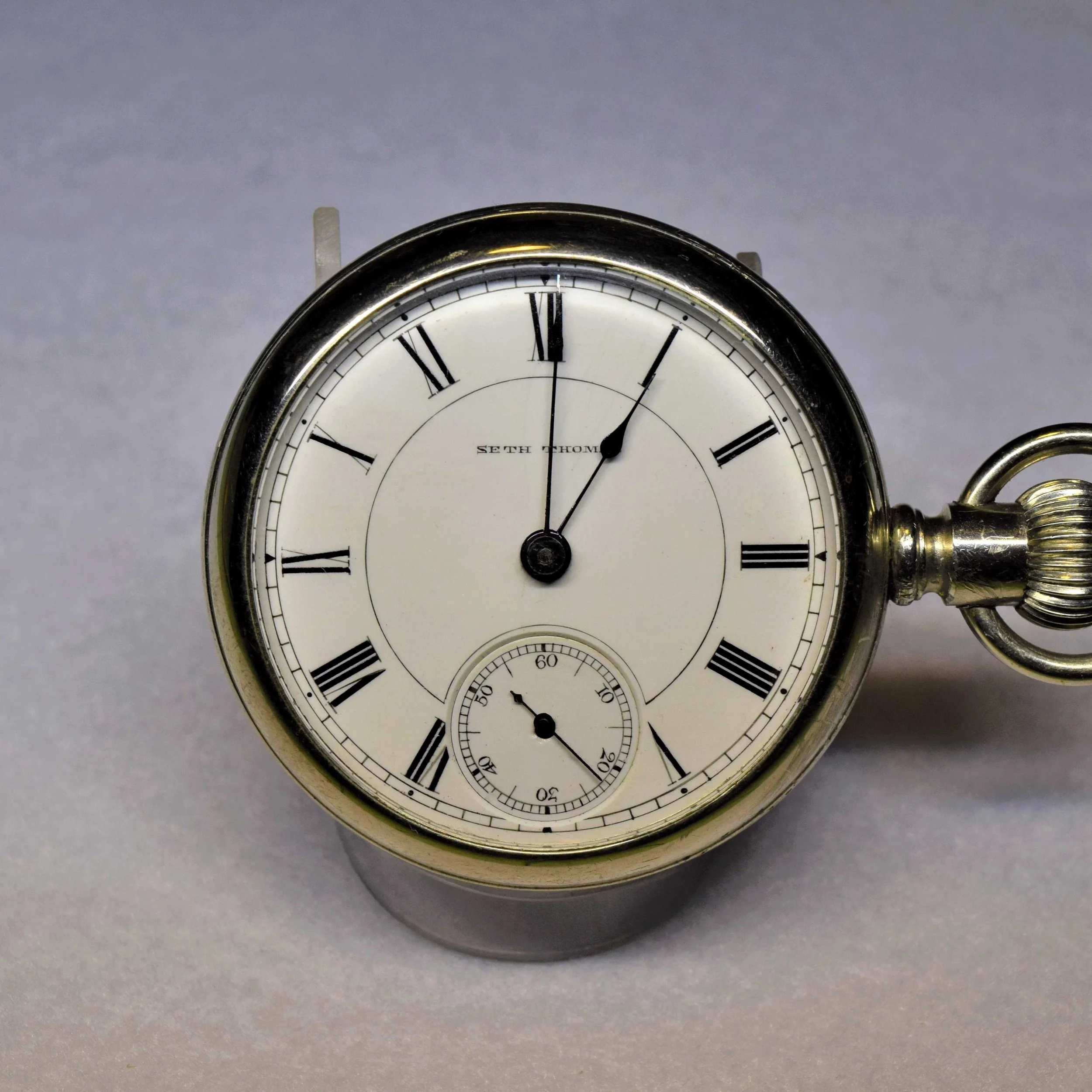
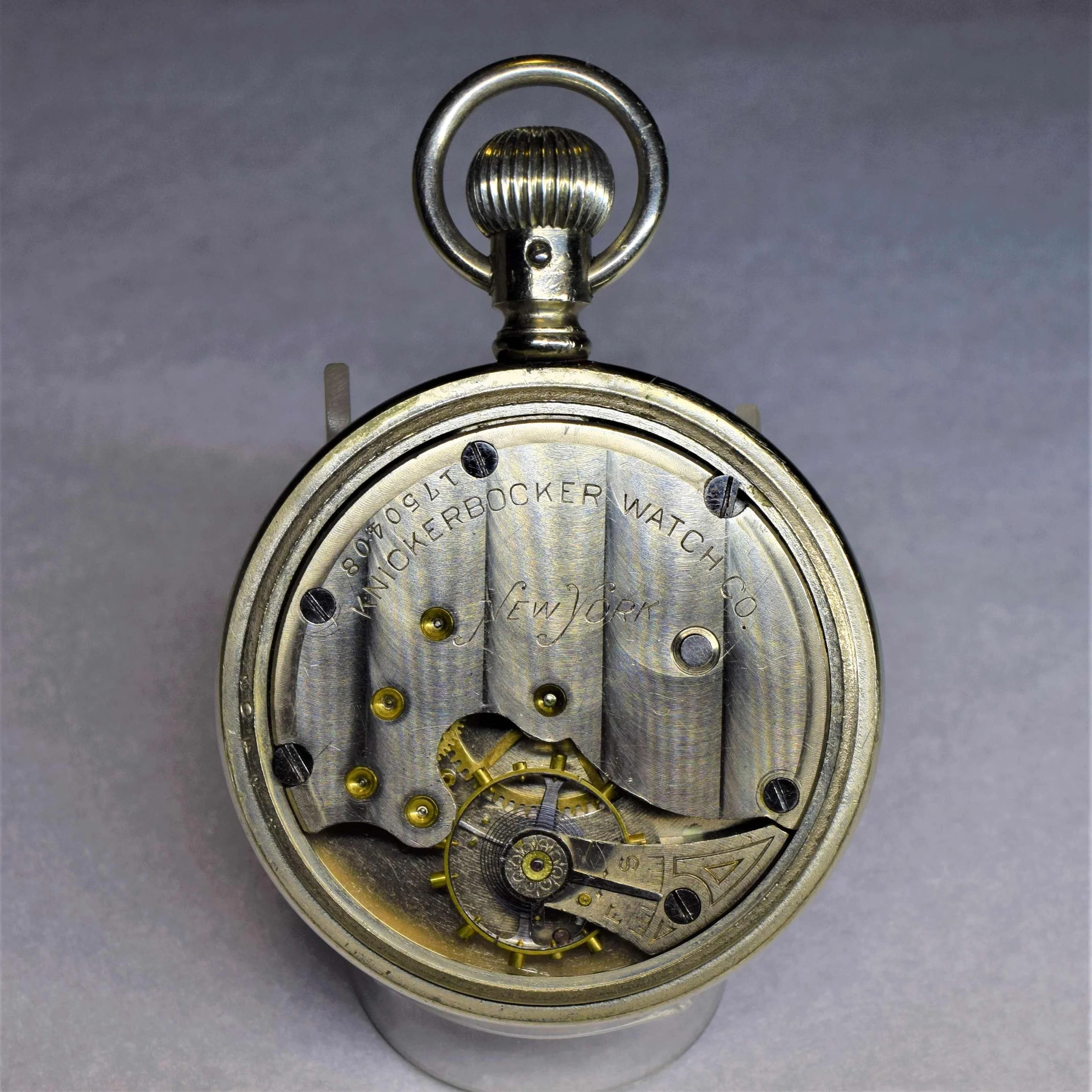
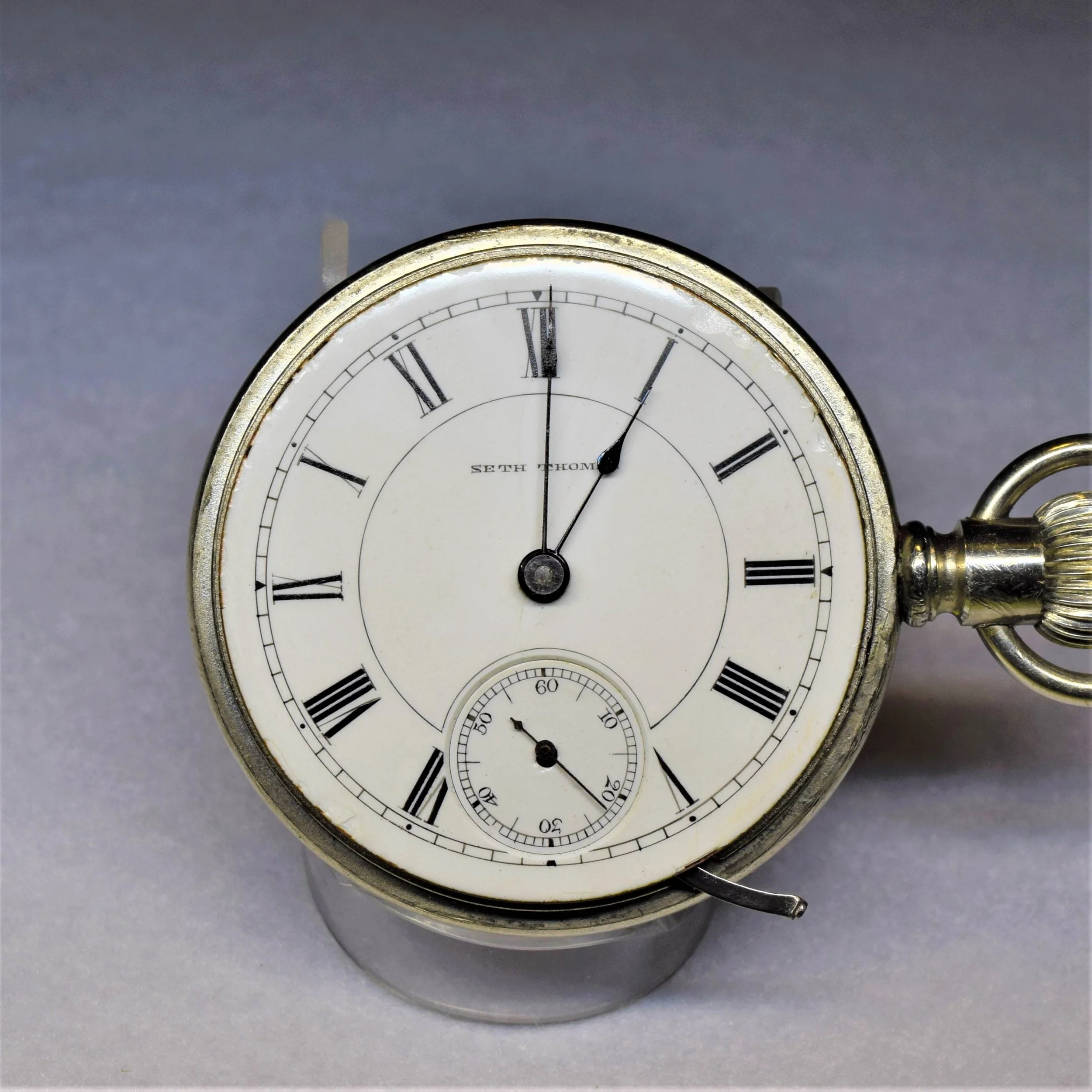
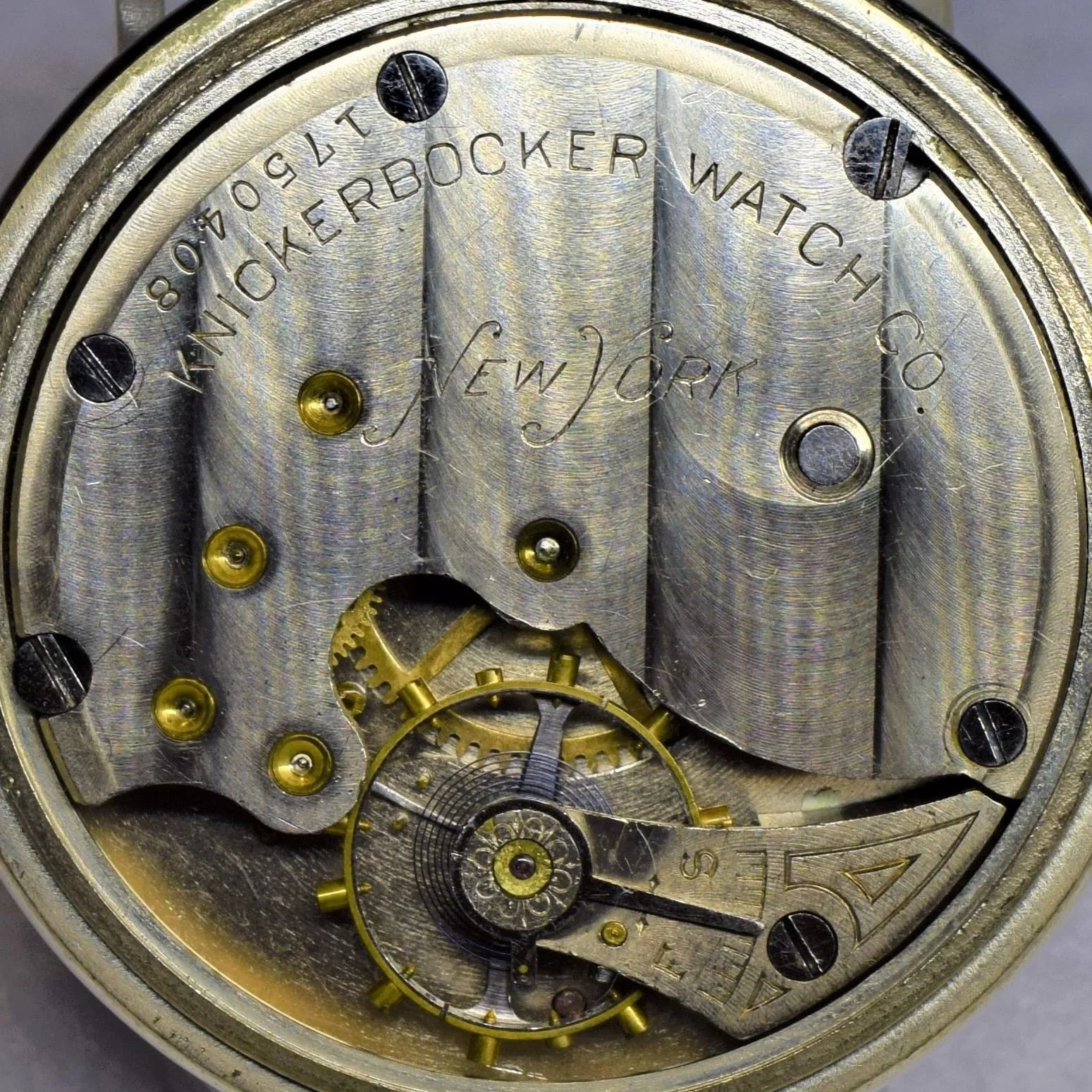
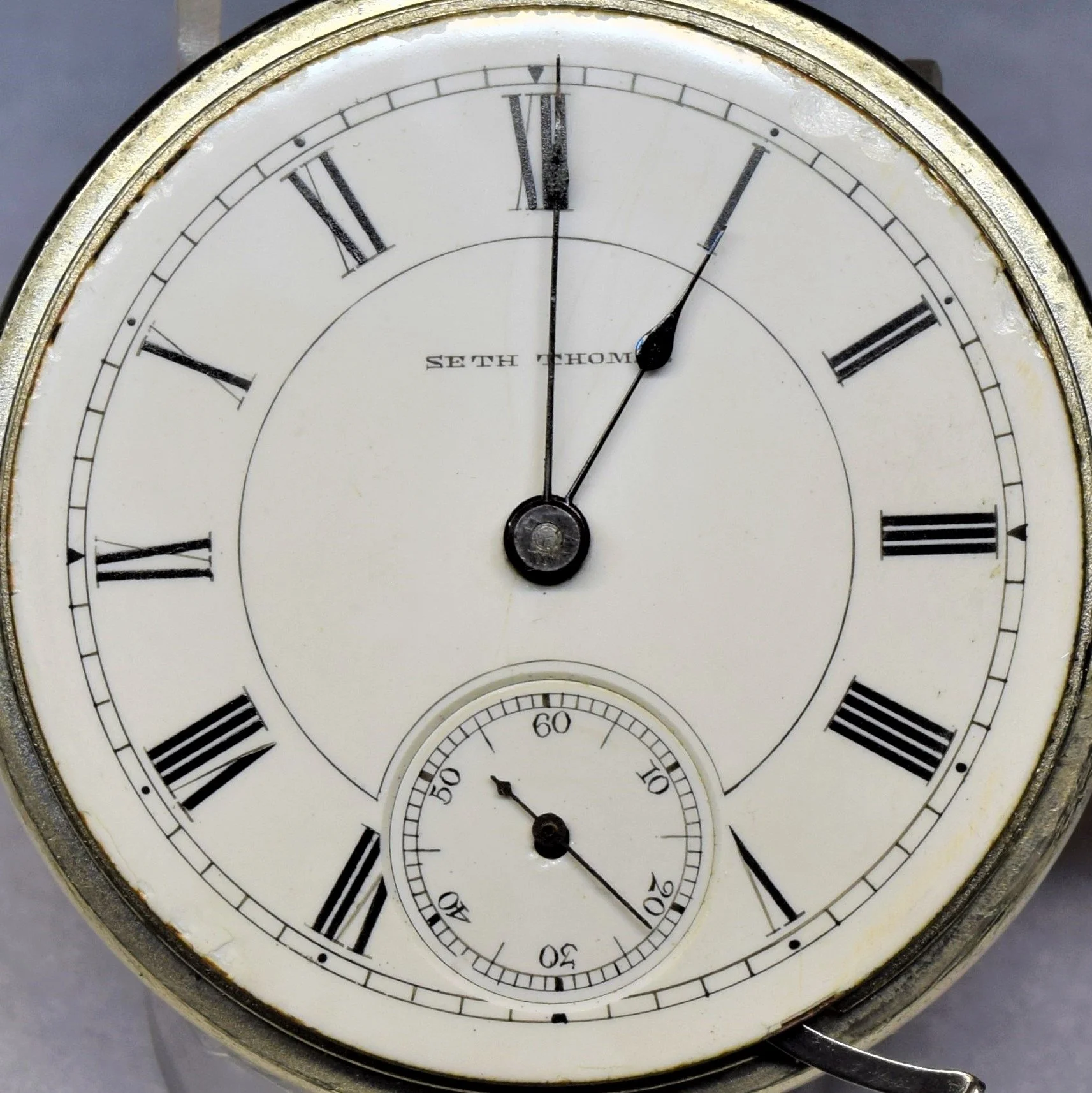
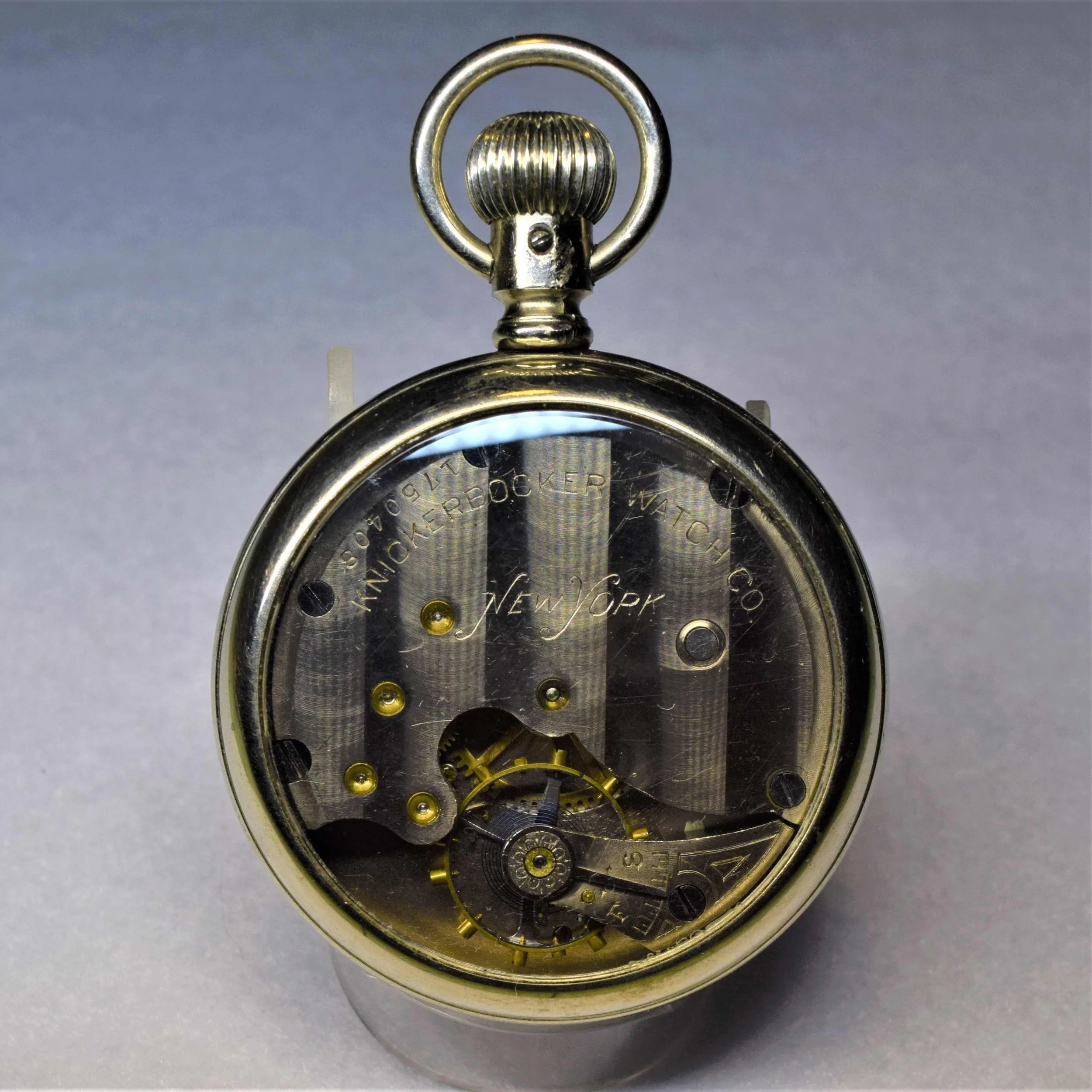
This 1904 Seth Thomas 18-size hunting Model 13 pocket watch movement is cased in an 18-size Salesman's Display Case with no identifying markings.
Crescent Watch Case Company - Watch Case Opener
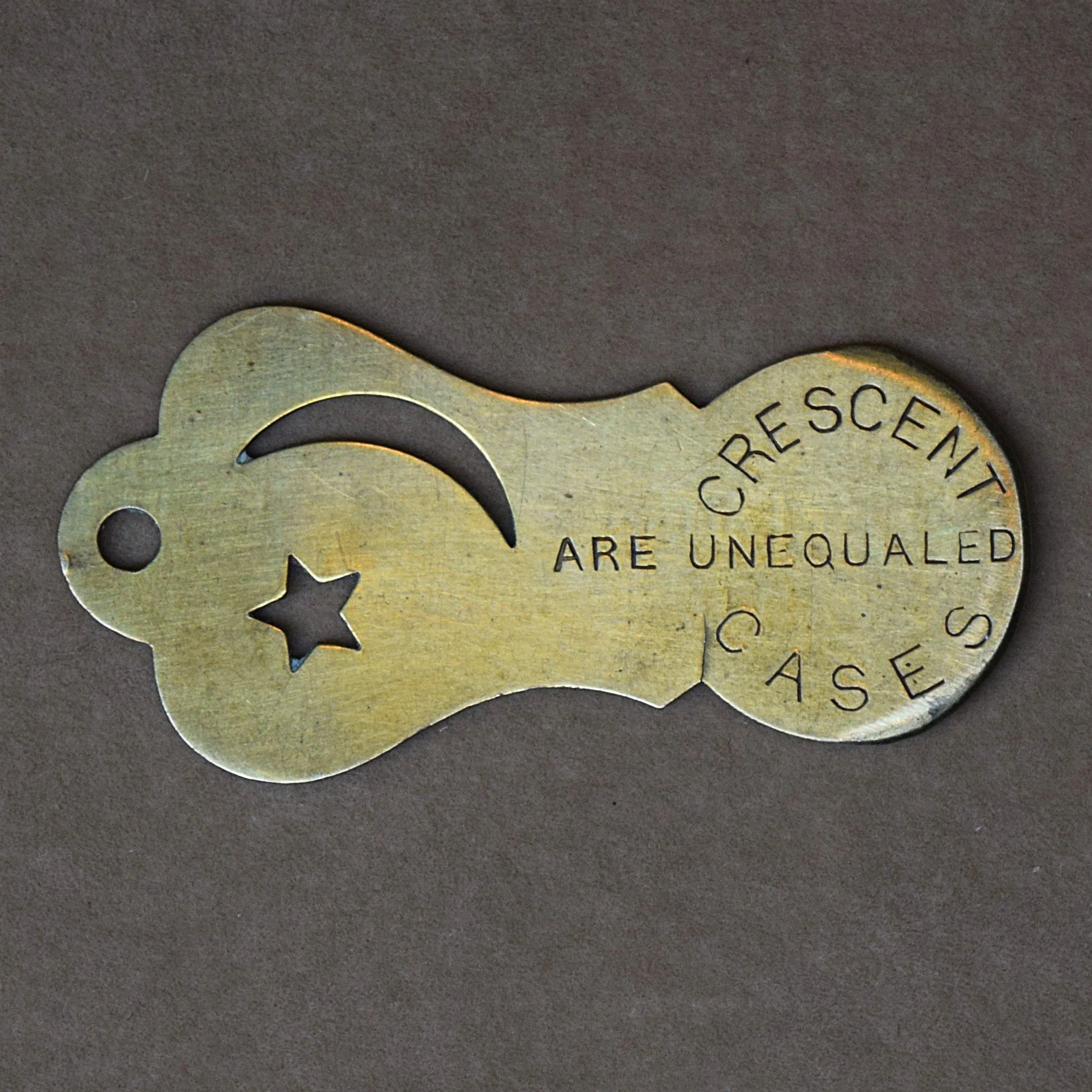
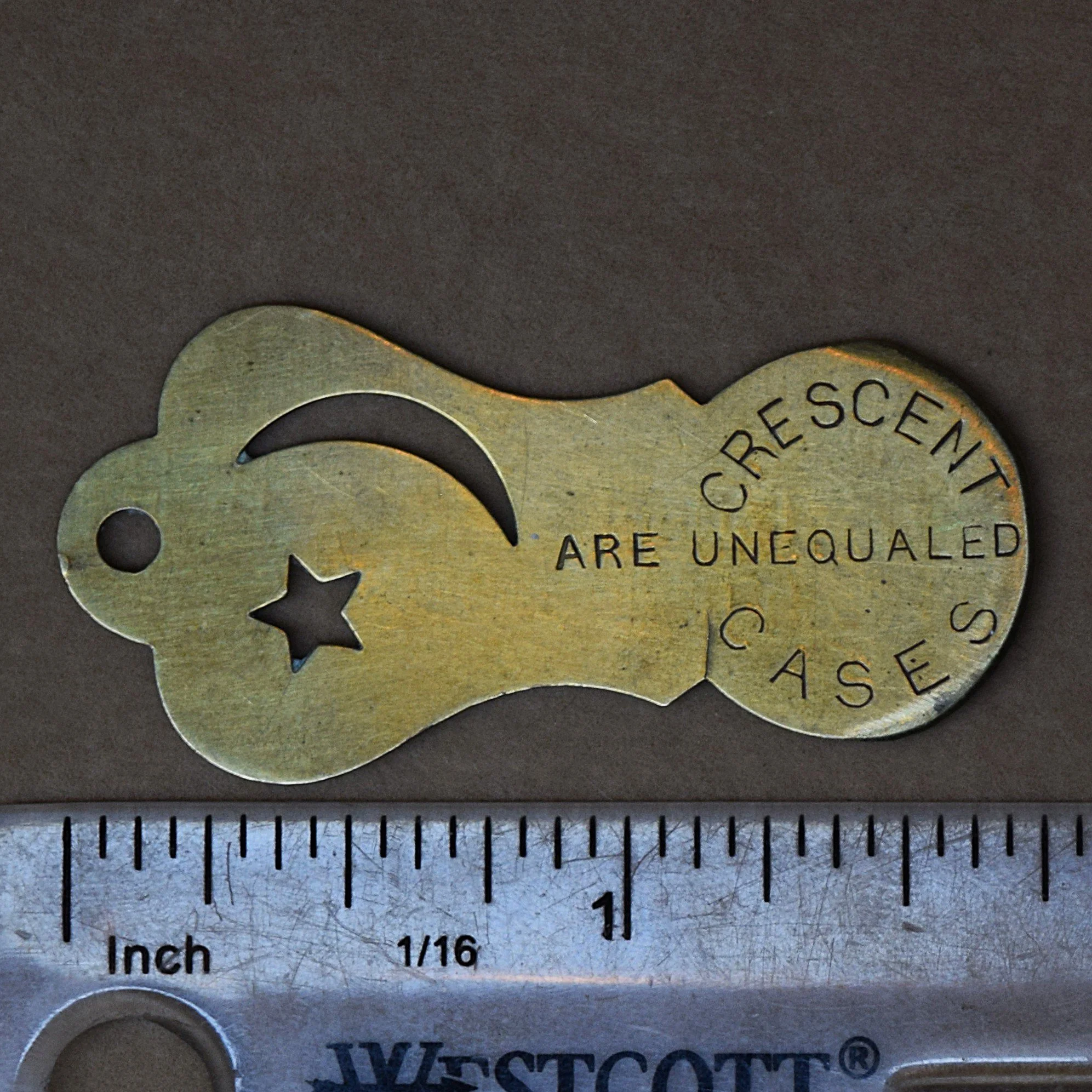
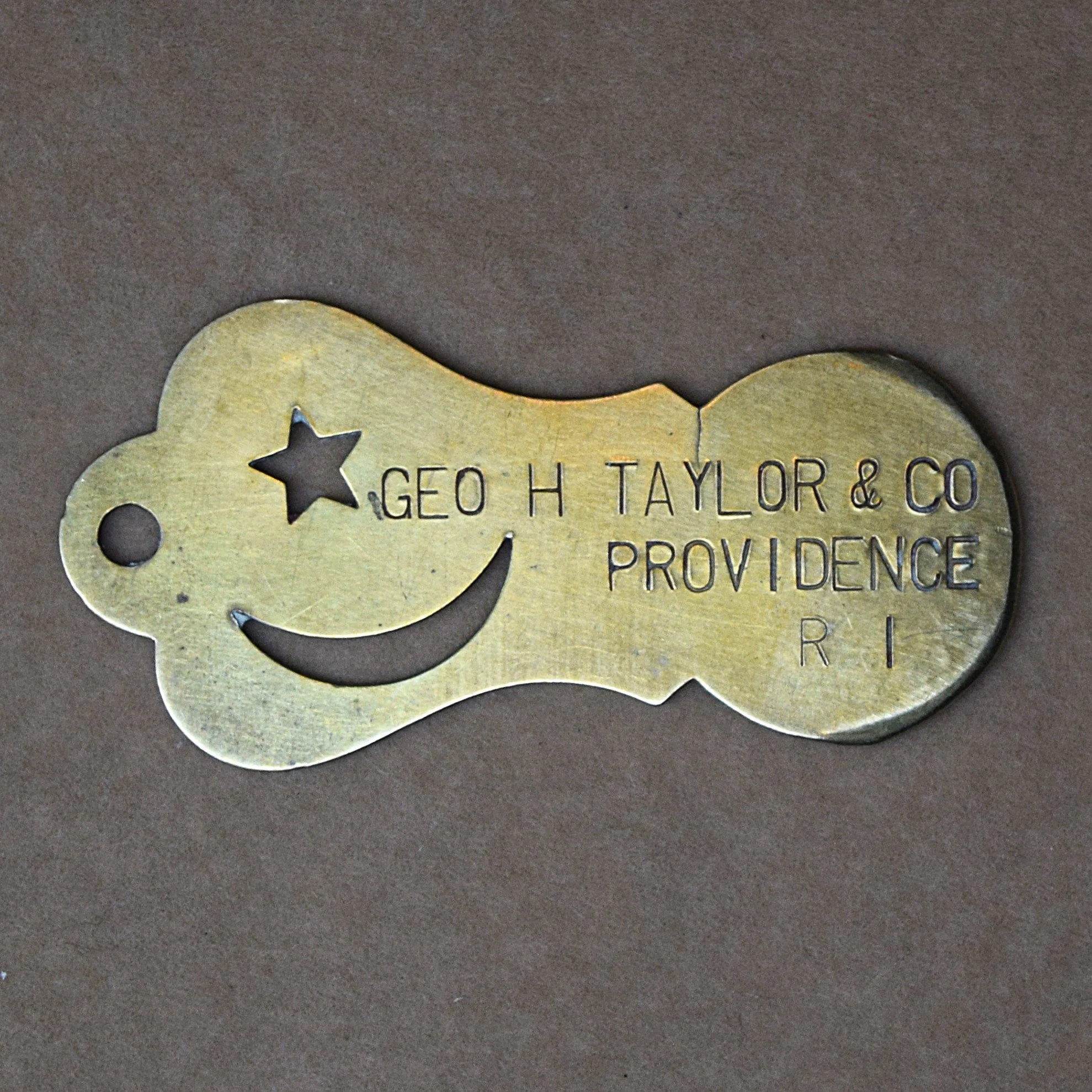
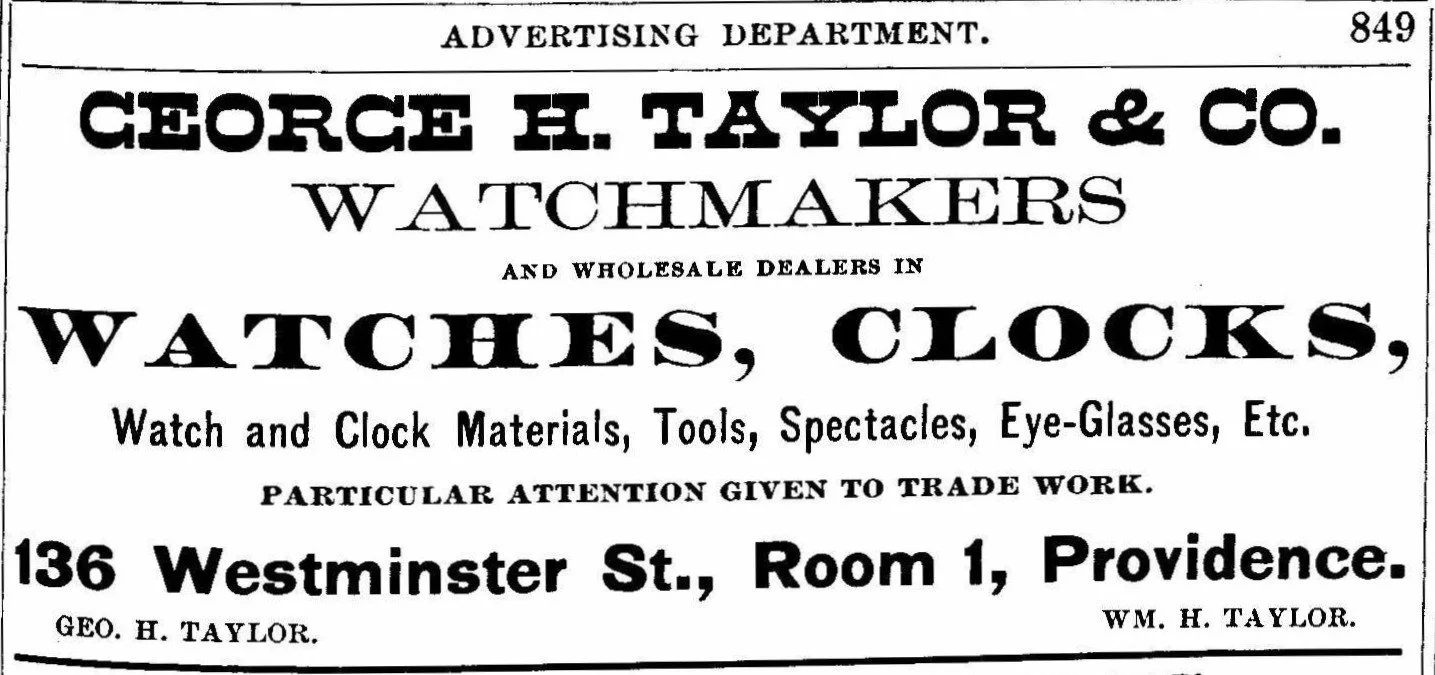
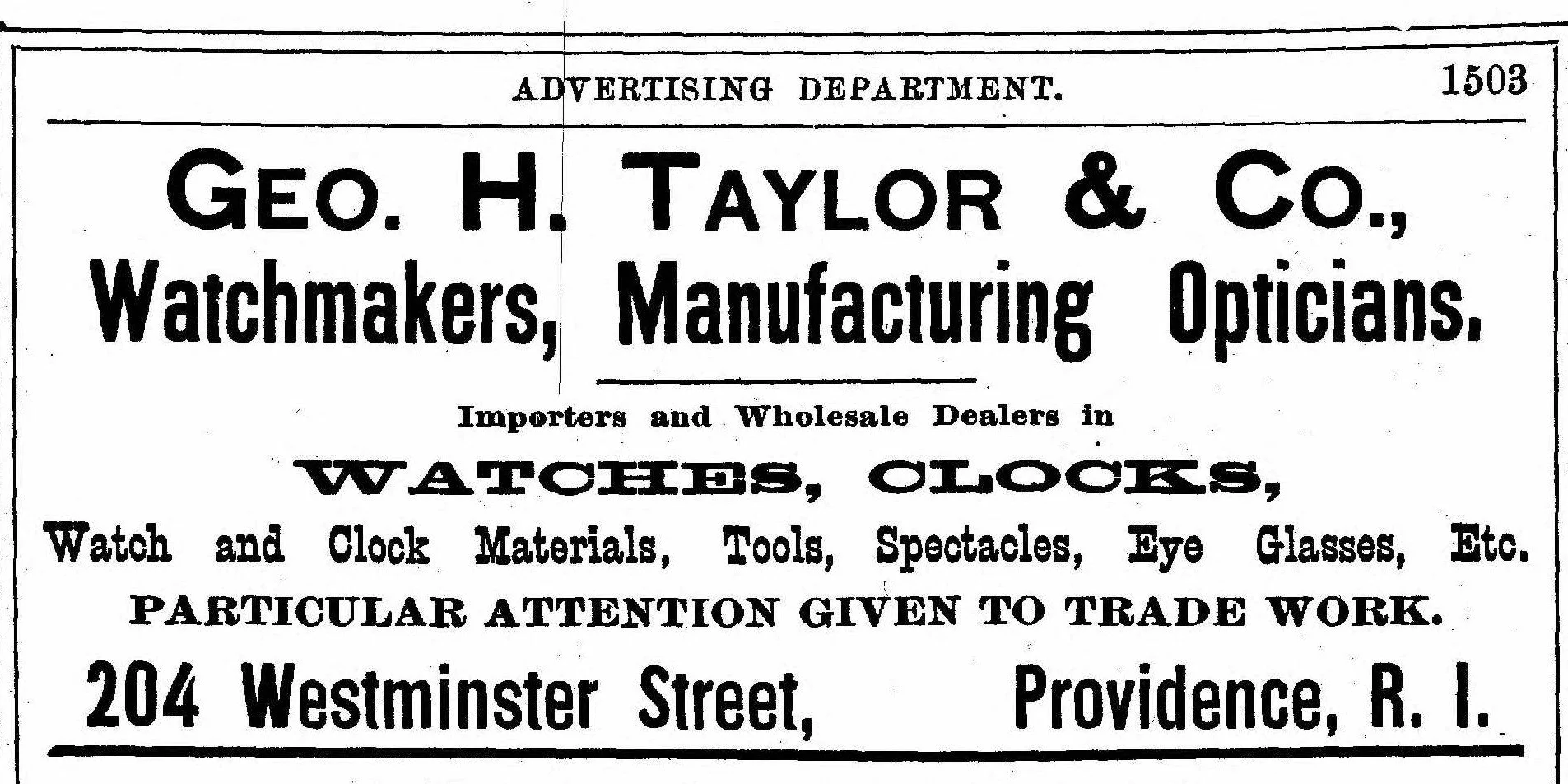
According to 1885 Rhode Island City Directory and 1901 Rhode Island City Directory, George H. Taylor was a Watchmaker operating first out of 136 Westminster Street with a partner William H. Taylor and later out of 204 Westminster Street in Providence Rhode Island independently.
Crescent Watch Case Company - Watch Case Opener - George H. Taylor Jeweler - Providence Rhode Island
Keystone Watch Case Company - Watch Case Opener


According to C.B. Clark’s Directory - 1890, Mrs. K. J. Smith was a jeweler living at 1305 Eleventh Avenue in Altoona Pennsylvania.
Keystone Watch Case Company - Watch Case Opener - K.J. Smith Jeweler - Altoona Pennsylvania
Keystone Watch Case Company - Watch Case Opener


This was listed for sale as a Keystone Watch Case Company - Watch Case Opener - Souvenir of the 1893 World’s Columbian Exposition (World’s Fair) in Chicago Illinois. I do not know if it is an original piece or a replica.
Keystone Watch Case Company - Watch Case Opener - World’s Columbian Exposition - Chicago - 1893
1900 Benj. Allen & Co. Catalog
Watch Glasses


Crescent Watch Case Company’s Materials


Keystone Watch Case Company’s Materials


Leader and Silveroid Materials


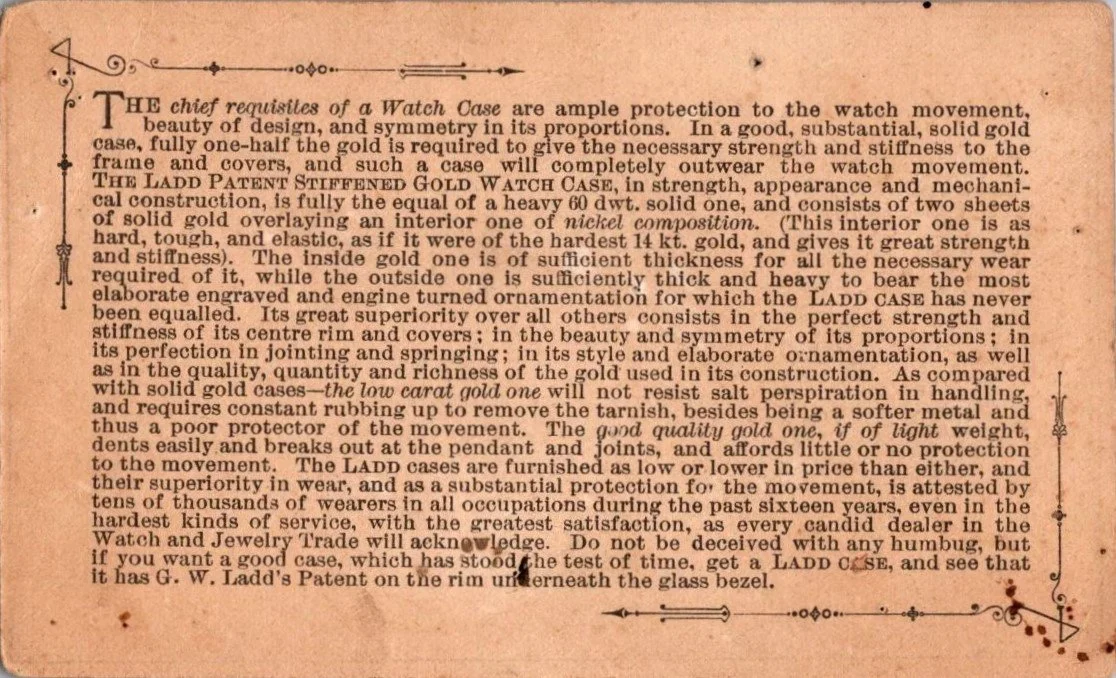
James Boss’ 14k Gold-Filled Materials


